

For decades, scientists have used ocean color observed from space to estimate the abundance of phytoplankton. Now, scientists at Bigelow Laboratory are hoping to do the same for zooplankton.
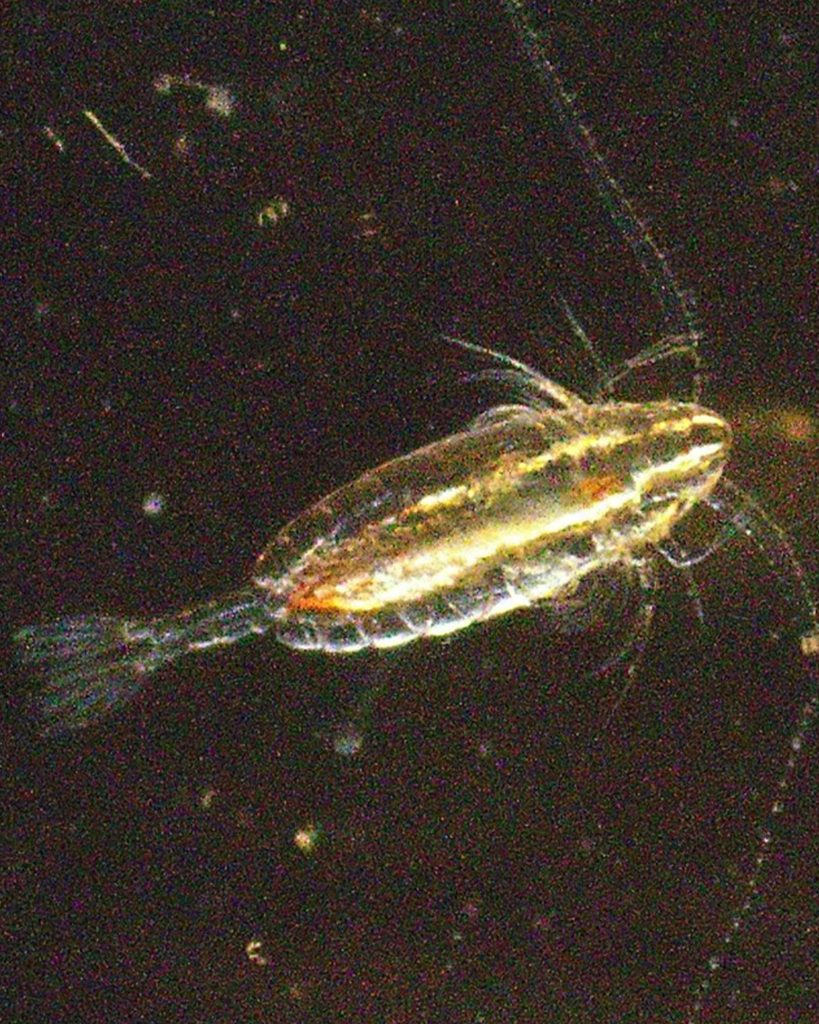
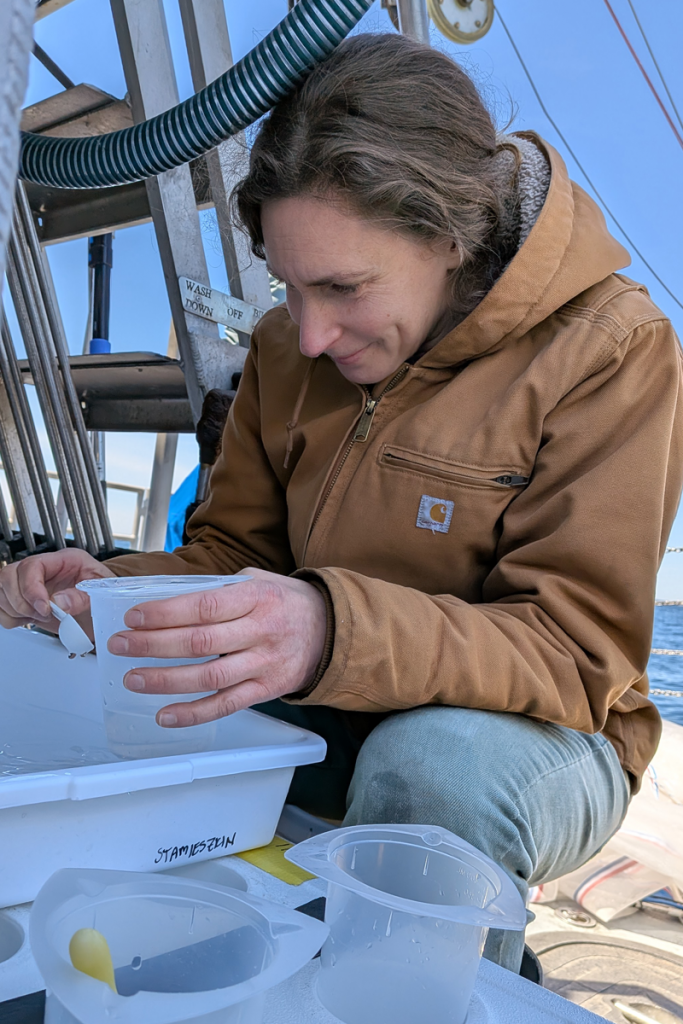
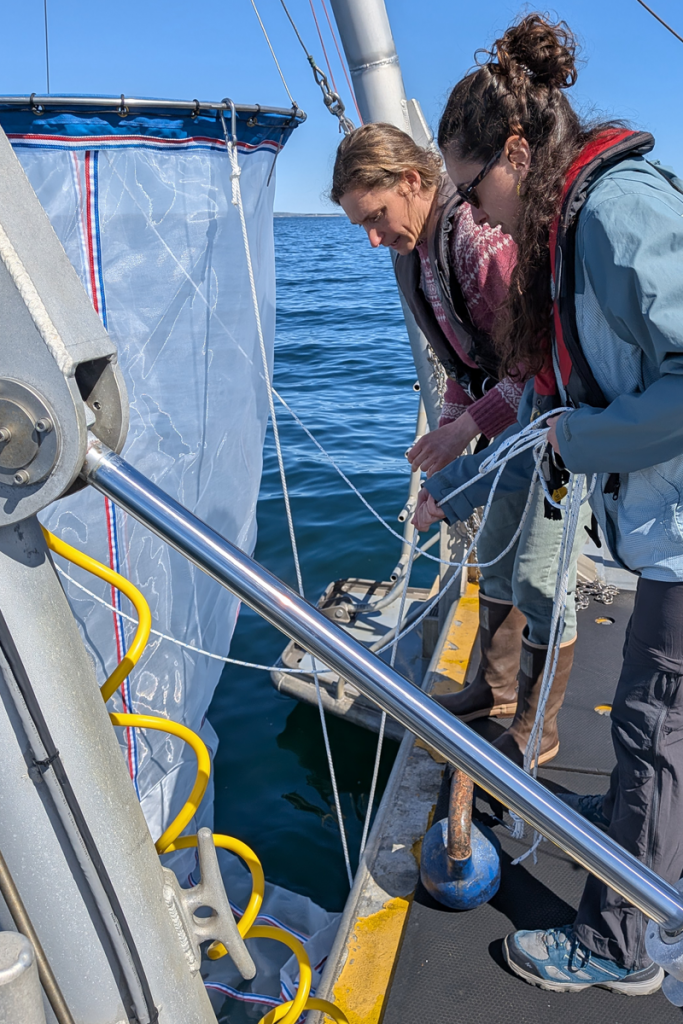
Many copepods contain a distinctive red pigment that satellites can detect. SRSs Karen Stamieszkin and Cath Mitchell are trying to link ocean color to pigment concentration to biomass to ultimately make satellite-based estimates of zooplankton abundance.
By revealing where certain copepods are concentrated, this research could help identify critical feeding grounds across the ocean food web.
It turns out the key to a new view of the global ocean may start with seeing red.