
Tag: Gulf of Maine
-
The Boston Globe: Officials pinpoint culprit behind massive ‘chocolate tide’ algae bloom from Maine to Massachusetts
Bigelow Laboratory for Ocean Sciences researchers are among the experts tracking the “chocolate tide” algae bloom stretching along the coast from Maine to Massachusetts. In…
-

Spore than meets the eye
From microscopic spores to sprawling forests — sugar kelp plays a big role in the Gulf of Maine, providing rich habitat, food, and clean water.…
-
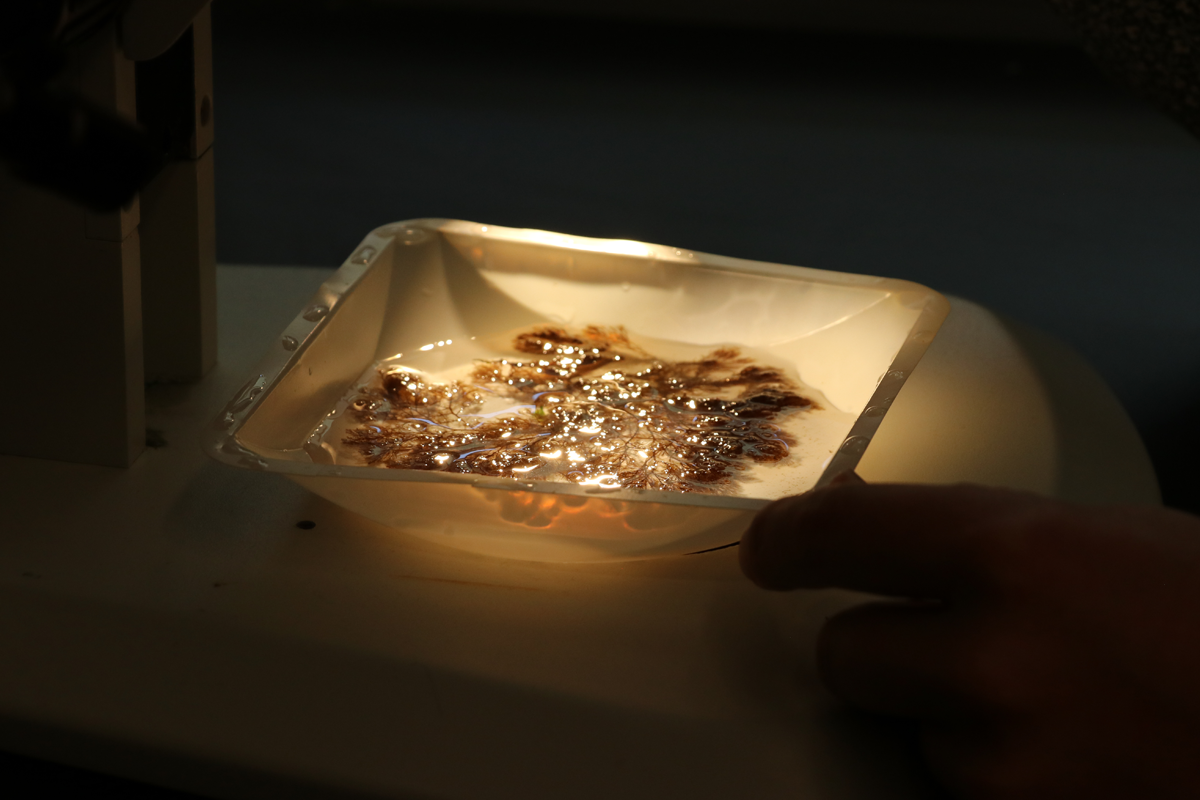
Kelp Cascade Effect
As Maine’s kelp forests decline, the impacts ripple through the ecosystem all the way down to the microbial level, according to a new study led…
-
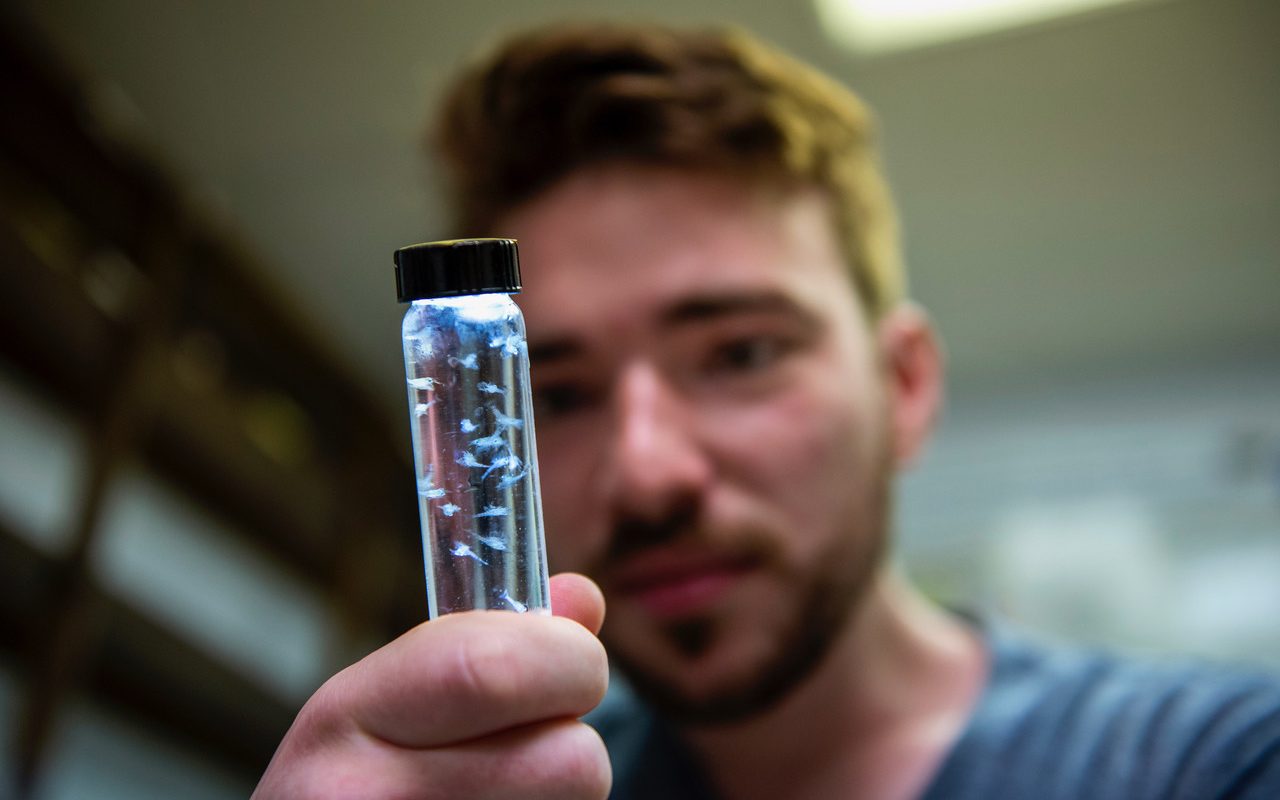
Research Highlight: Tiny ocean species hold clues to the future of Maine lobster
Over the last several years, scientists and resource managers have observed a decline in the number of young lobsters surviving into adulthood in the Gulf…
-
From Space to Sea
Launched by Bigelow Laboratory in 1998, the Gulf of Maine North Atlantic Time Series (GNATS) has become a foundational record of changing ocean conditions through repeated…
-
The Changing Gulf of Maine: Challenges and Opportunities
On Thursday, August 12 at 4 p.m., join Deborah Bronk, president and CEO of Bigelow Laboratory for Ocean Sciences, for a presentation at the Wilson…
-
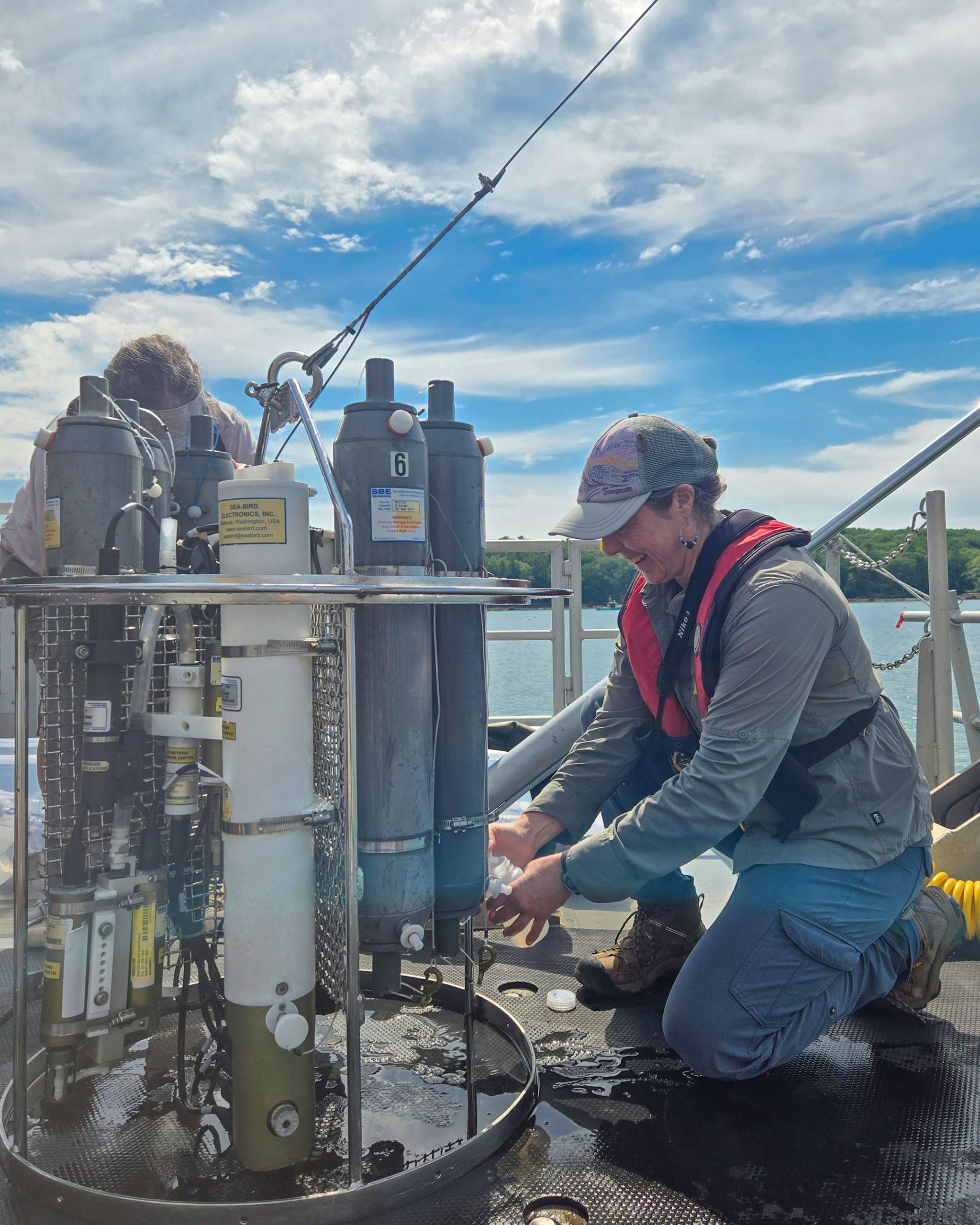
Planting the seeds for ocean education
This week, Bigelow Laboratory welcomed an incredible cohort of middle and high school science teachers to the lab to provide hands-on training to enhance ocean science…
-
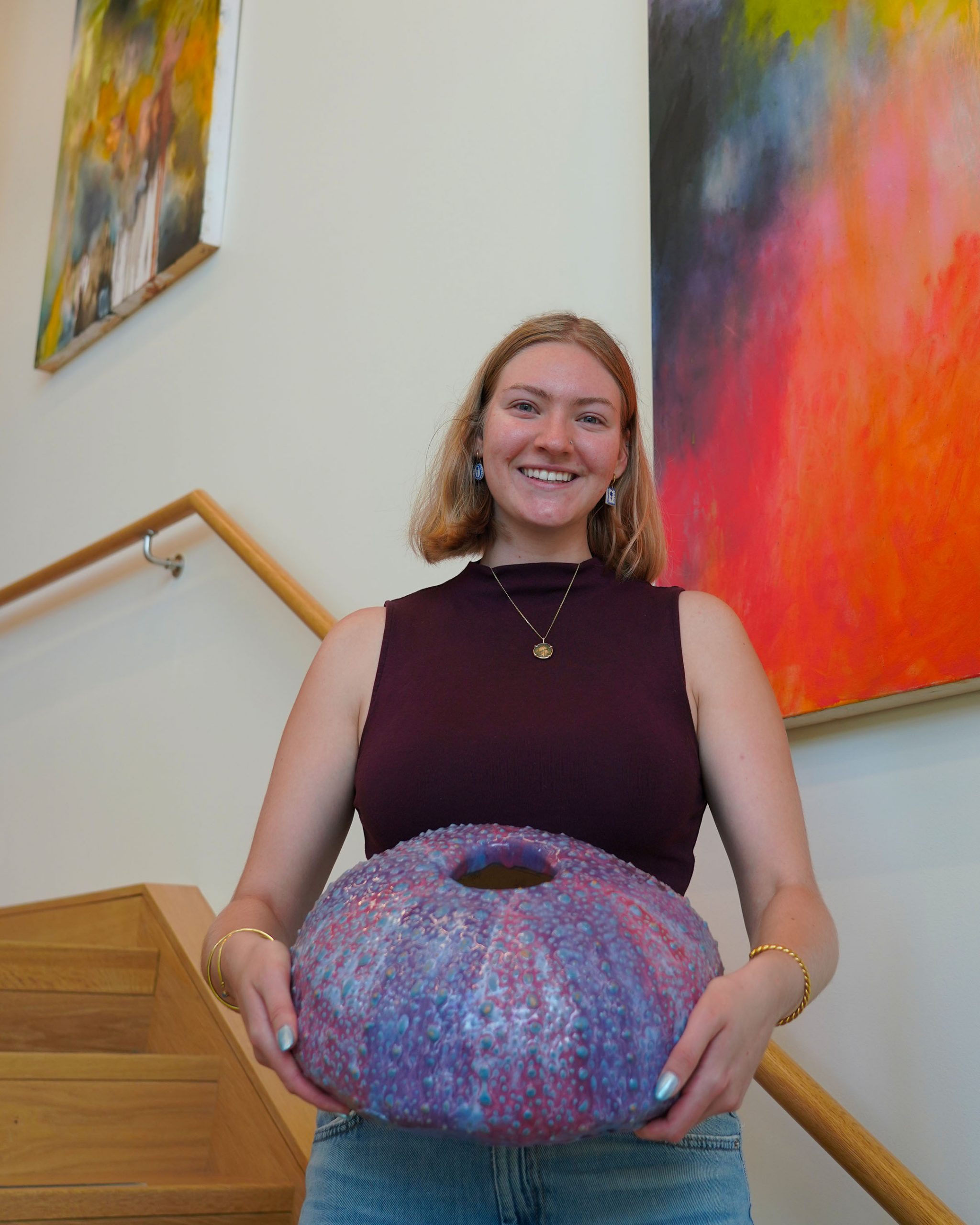
Sea-ramics
We’re so thrilled to showcase this gorgeous ceramic sea urchin at Bigelow Laboratory! Inspired by the sea urchins found along the coastline, this sculpture celebrates…
-
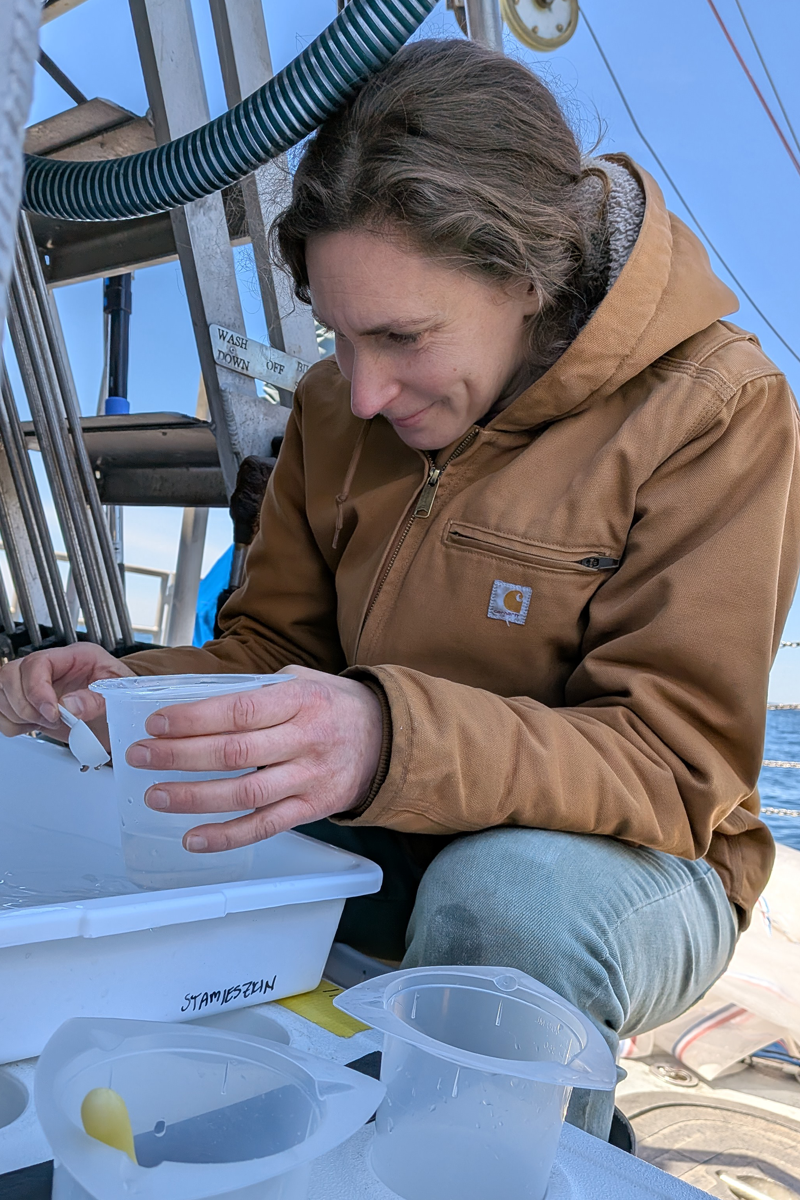
Seeing Red
For decades, scientists have used ocean color observed from space to estimate the abundance of phytoplankton. Now, scientists at Bigelow Laboratory are hoping to do…
-
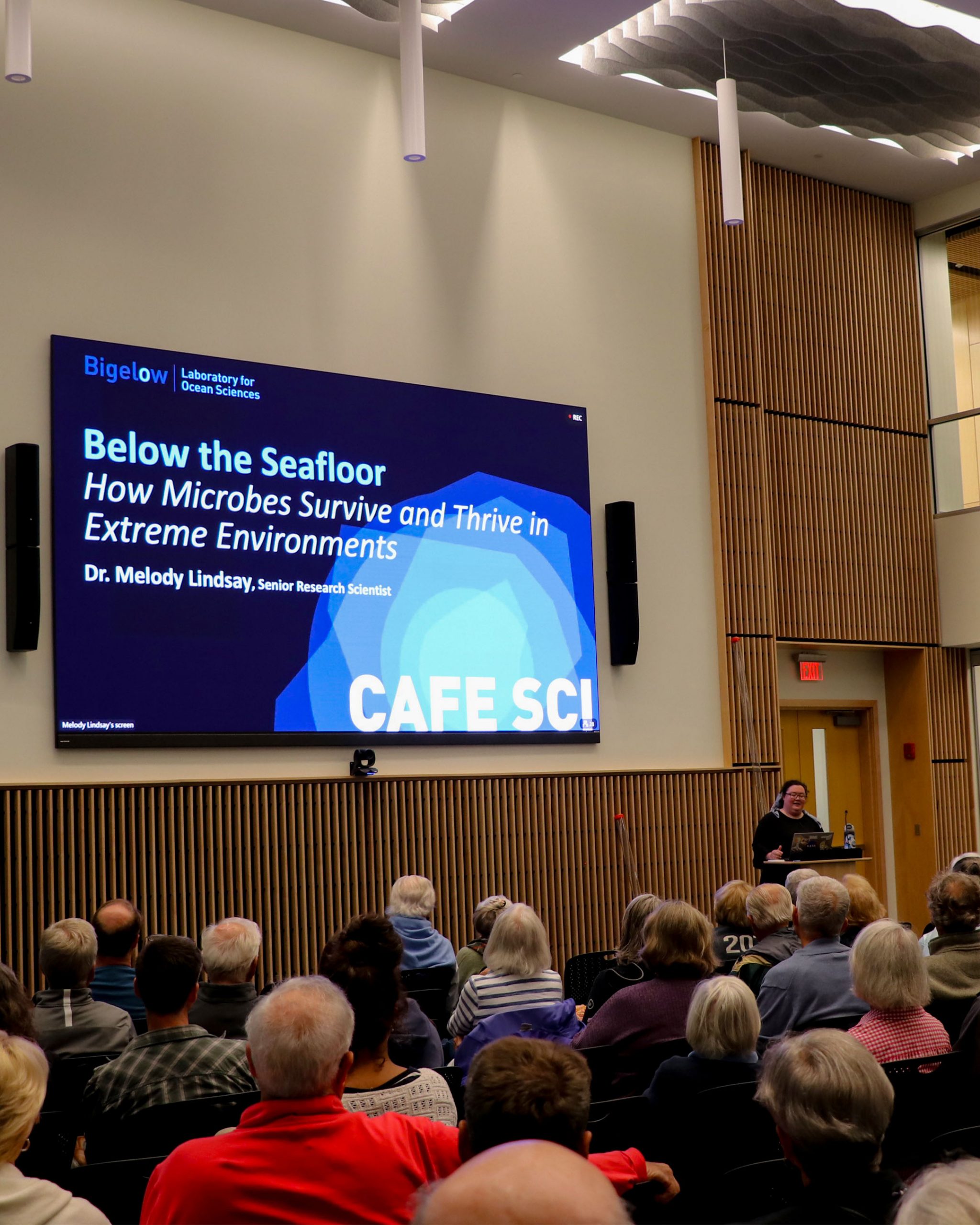
Not thriving, but certainly surviving
What happens beneath the seafloor where life survives on almost no energy? Thank you to everyone who joined us at Bigelow Laboratory this week for…
-
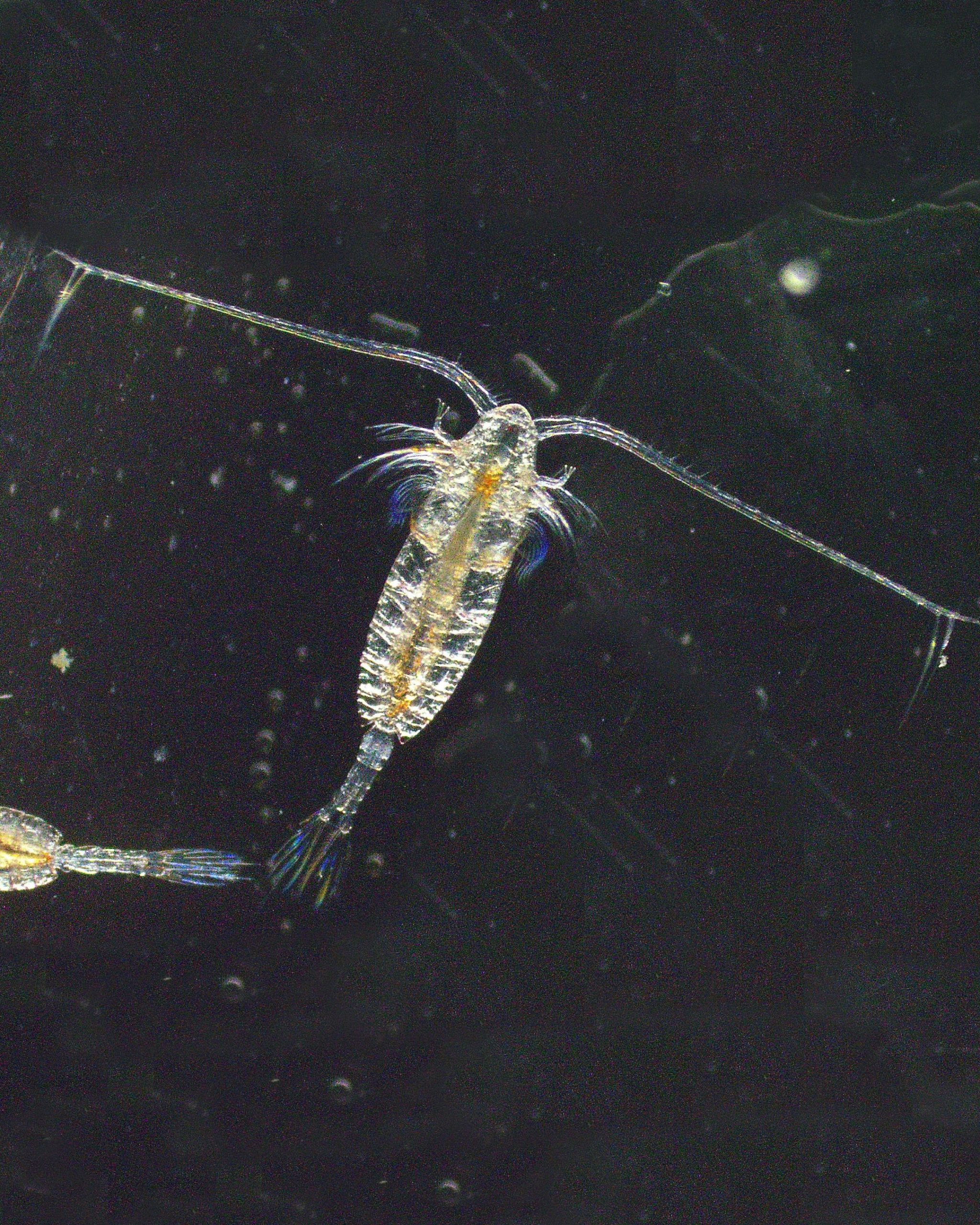
#MicroMonday: meet Calanus finmarchicus!
Known for being one of the fattiest copepods, Calanus are a great snack (a favorite in fact!) for whales, baby lobsters, and many other ocean…
-
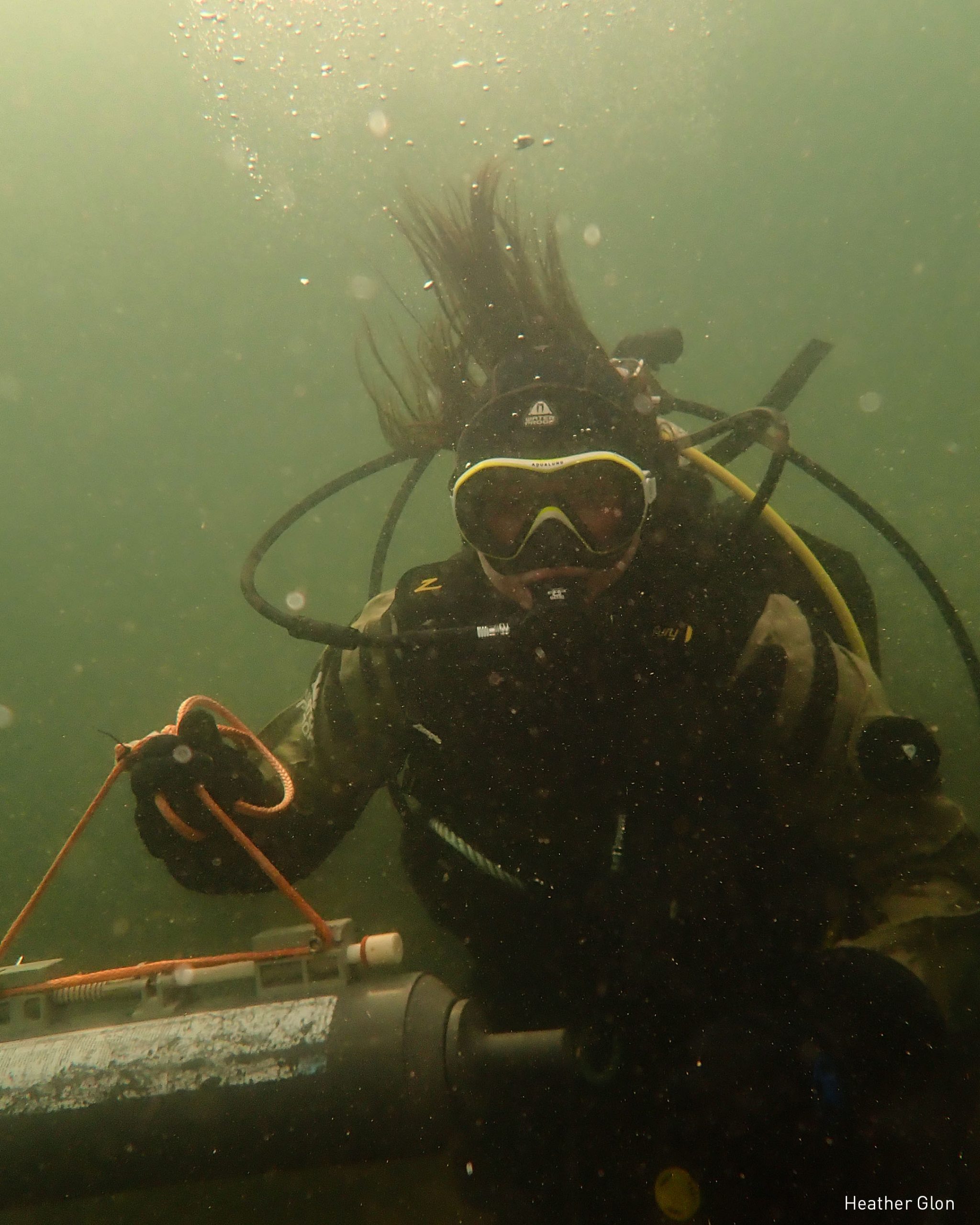
Transect Magazine: Collaborative Science
For decades, Bigelow Laboratory has worked with the Maine Department of Marine Resources to advance research that can inform science-based management for the Gulf of Maine.…
-
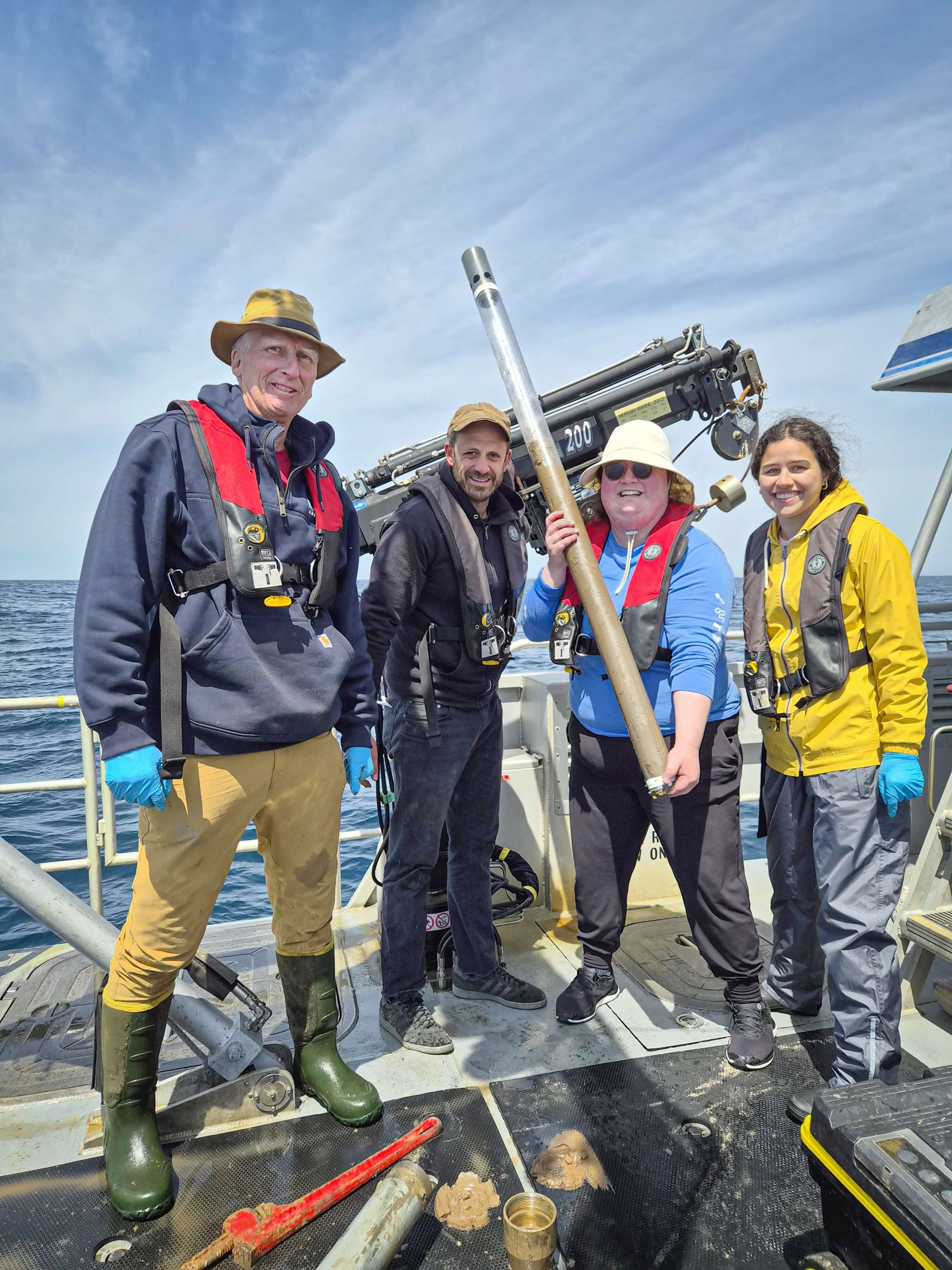
Sedimental Value
A Bigelow Laboratory for Ocean Sciences team undertook new sediment coring efforts in the Gulf of Maine, reaching much deeper depths on the continental shelf. This…
-
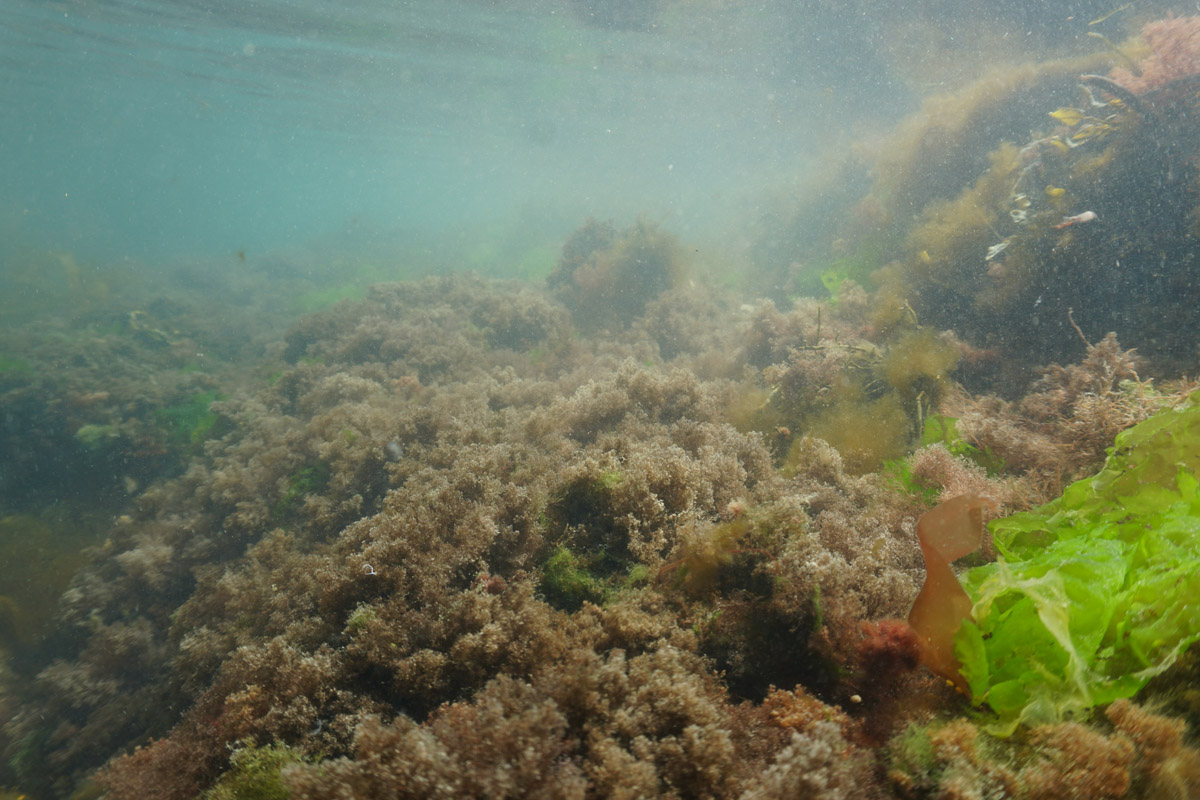
Surf and Turf
As large swaths of Maine’s kelp forests transition into a new state, a study by Bigelow Laboratory for Ocean Sciences scientists reveals what’s driving the…
-
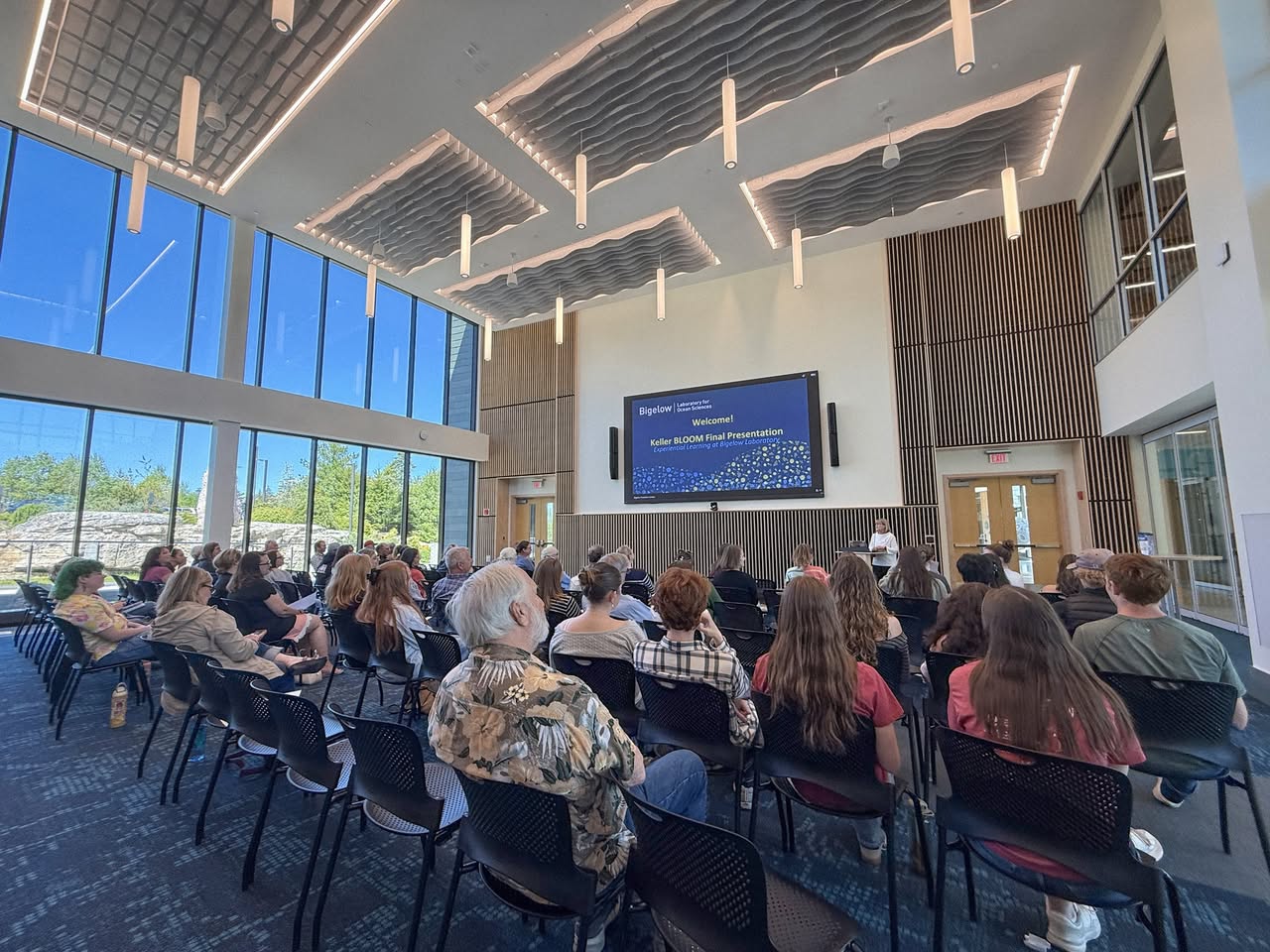
Go Forth and BLOOM
This afternoon, 16 Maine high school juniors graduated Bigelow Laboratory ’s Keller BLOOM (our 37th cohort of the long-running, successful program!). Prior to collecting their…
-
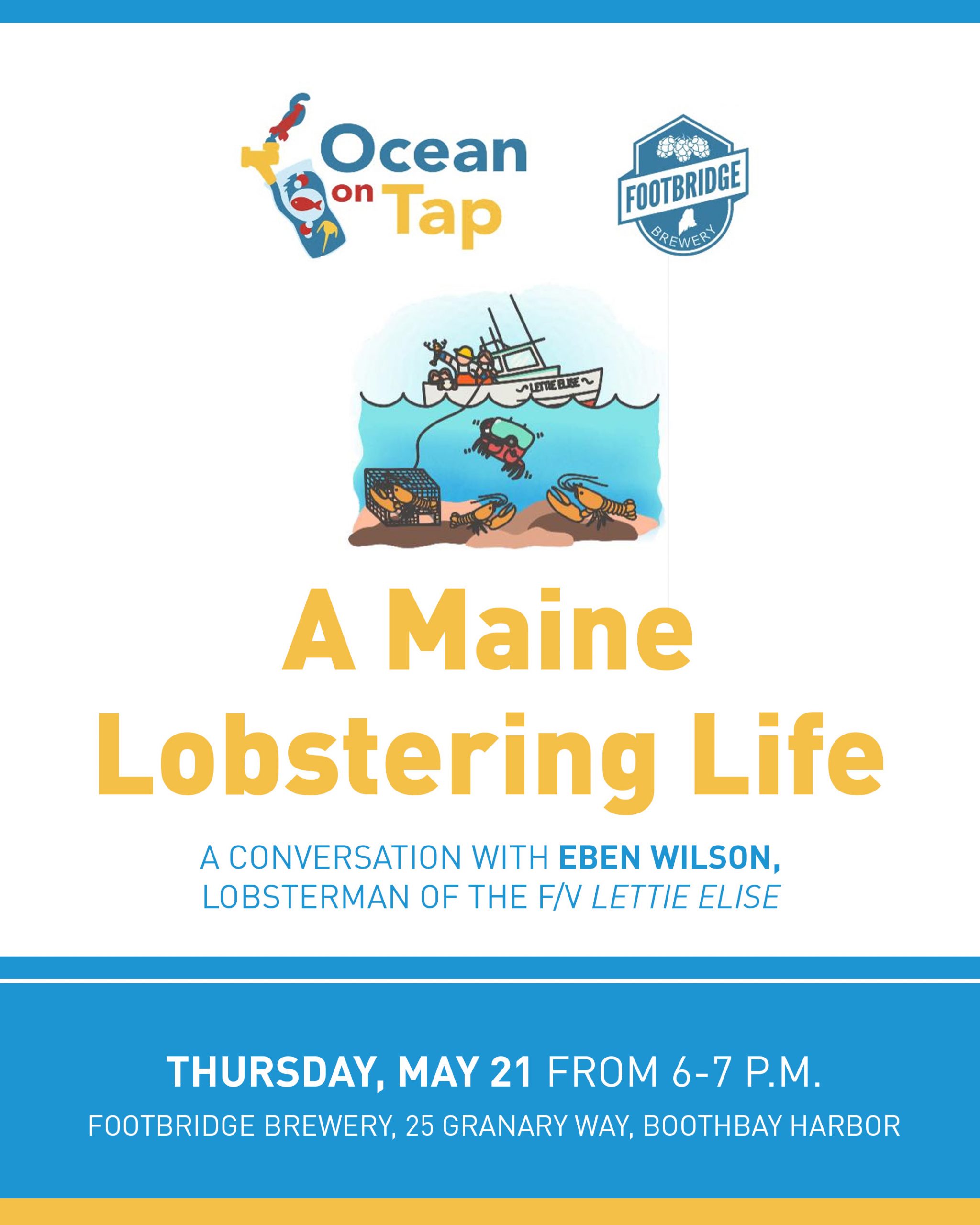
It’s (Not) a Trap
If you’re clawing for a first-hand account of what it’s like lobstering on the Gulf of Maine, join us at Footbridge Brewery on Thursday, May…
-
You Heard that Right (Whales)
Senior Research Scientist Nick Record was featured on the latest episode of the Make Science Make Sense podcast. Nick and Curt Brown, a lobsterman and…
-
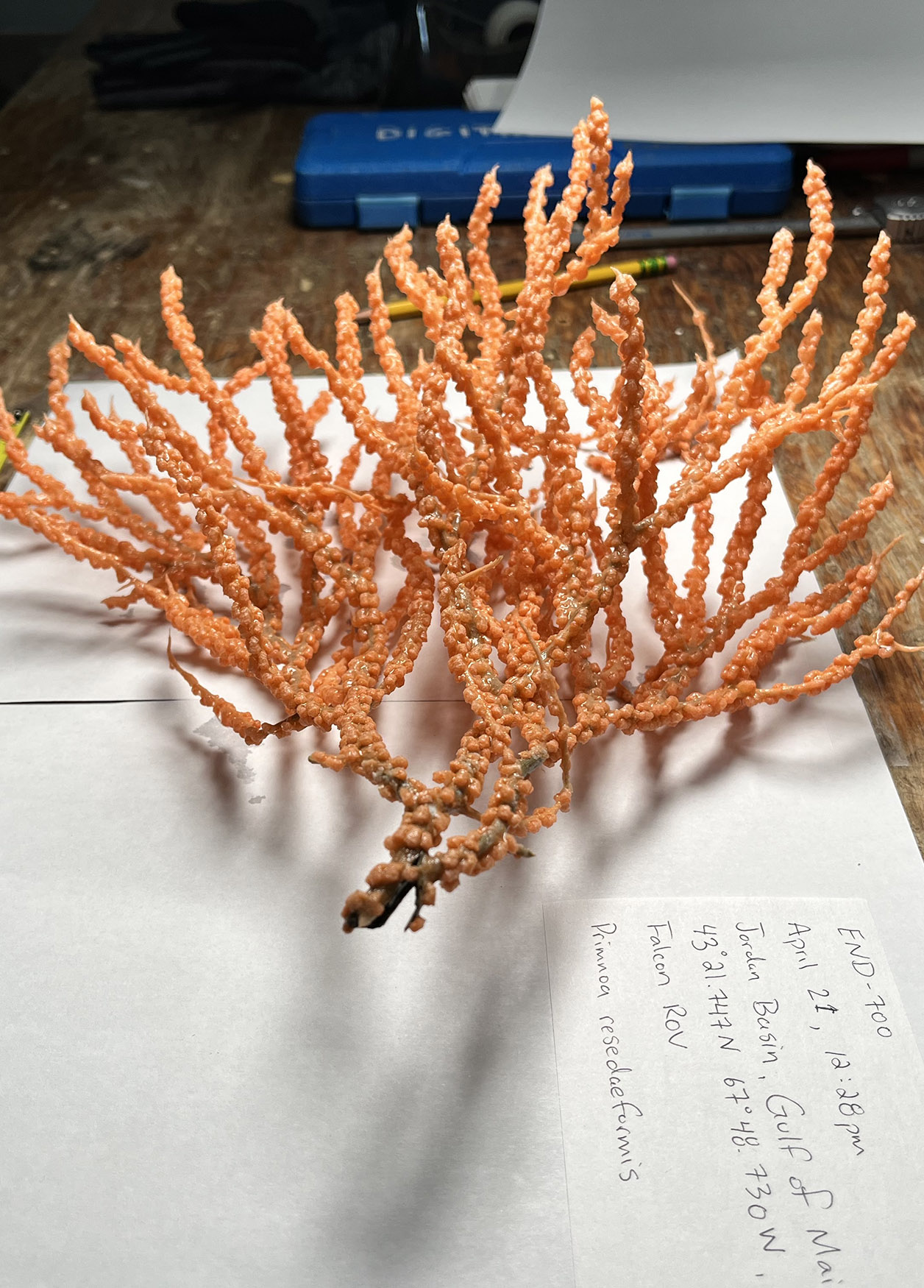
Oh, What a Tangled Web
At Bigelow Laboratory, we know that the smallest things can have the biggest impact on the ocean ecosystem. A multi-institutional team, led by the University…
-
Los Angeles Times: Industrial chemicals have reached the middle of the oceans, new study shows
Check out this Los Angeles Times story featuring research by recently graduated Bigelow Laboratory and University of Maine PhD student Shane Farrell! Shane got involved…