-
Jumping Genes
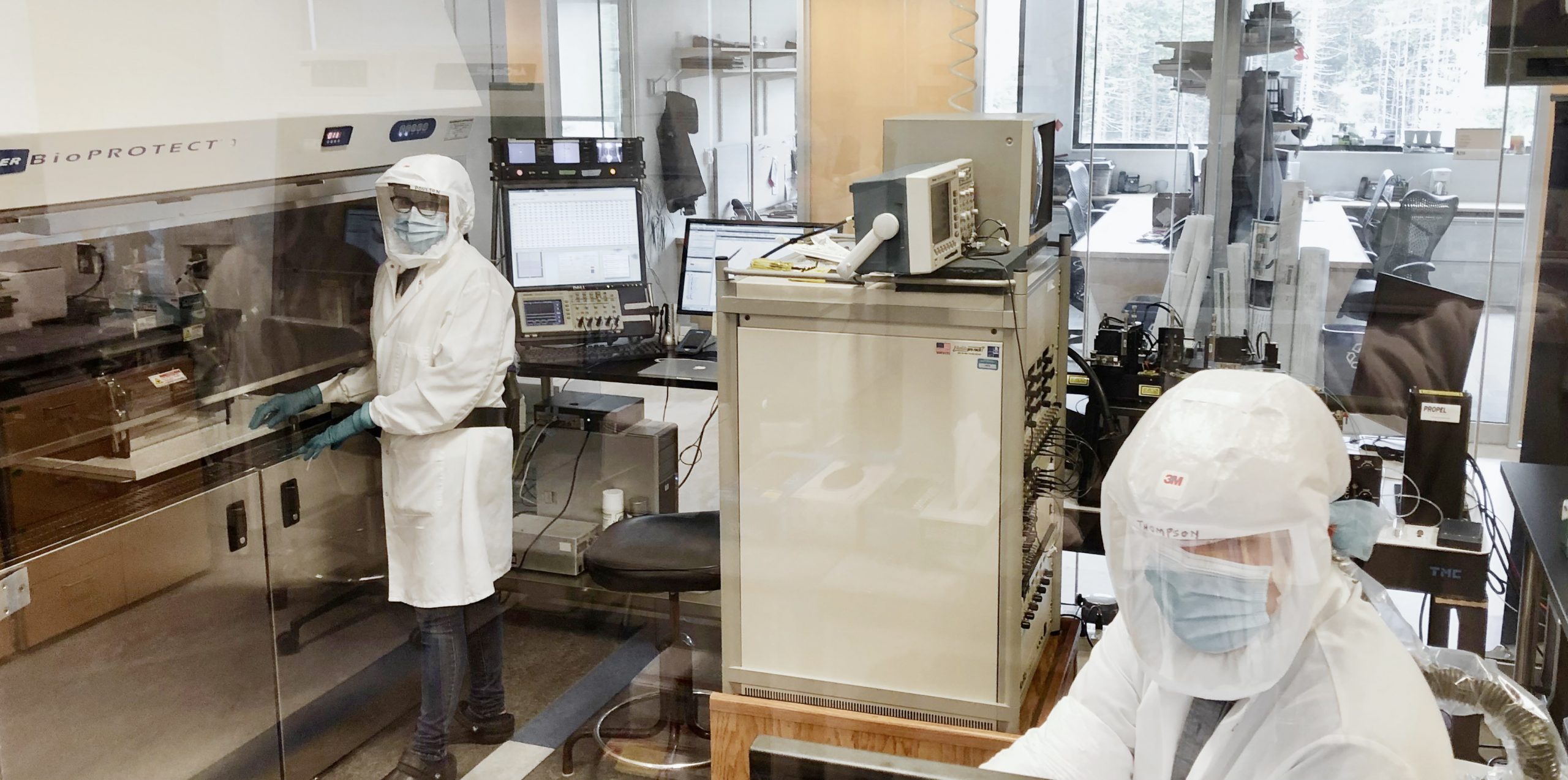
Most genes are passed down from parent to offspring. But sometimes genes can be transferred between two cells that aren’t directly related. Scientists know broadly how this process of horizontal, or lateral,…
-
Blue Brews
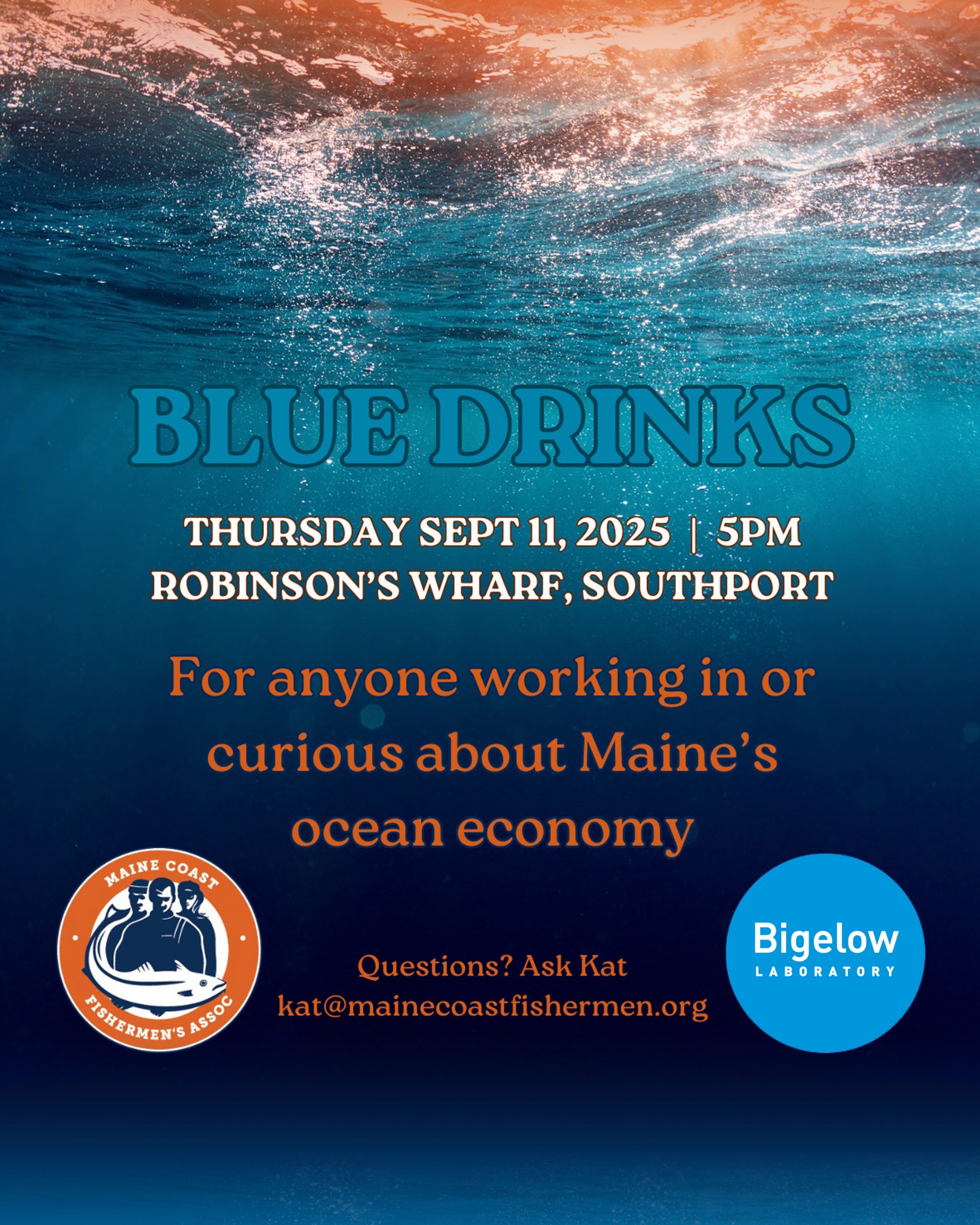
If you’ve ever been curious about working in Maine’s ocean economy, here’s a great opportunity to learn more. Dip your toes, or plunge in headfirst: the choice is yours! Join Bigelow Laboratory…
-
Following the (Sea) Stars
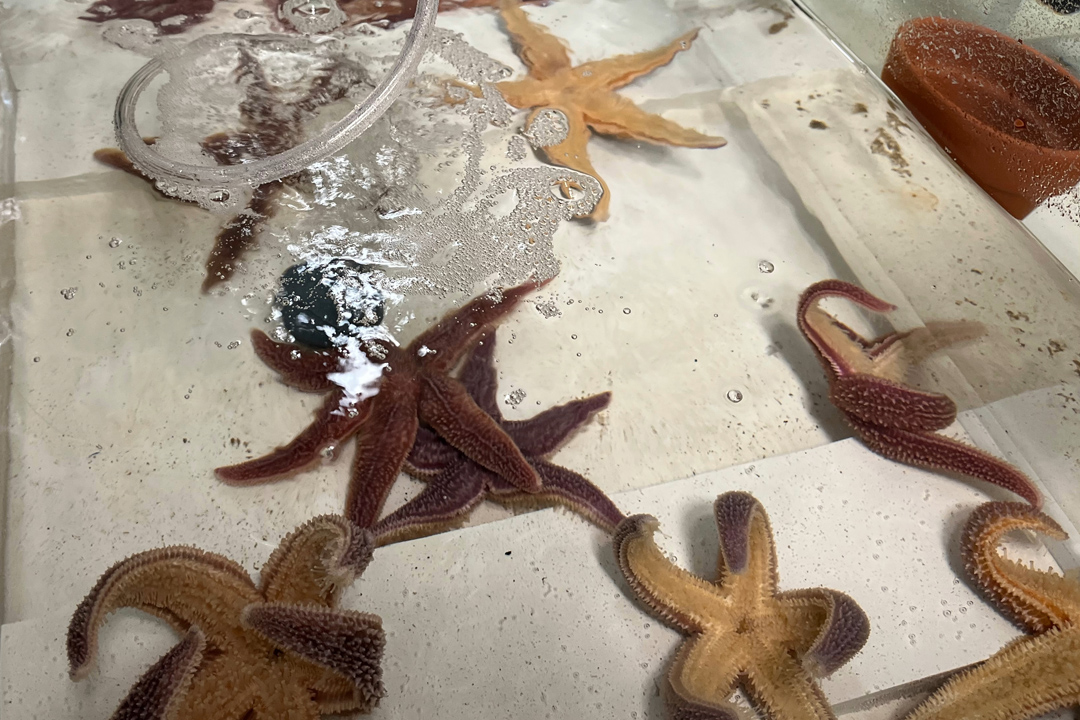
Harmful algae blooms that produce the potent neurotoxin domoic acid, or DA, can have devastating impacts on marine animals. That’s even more true when DA intoxicates “keystone” species that play an outsized…
-
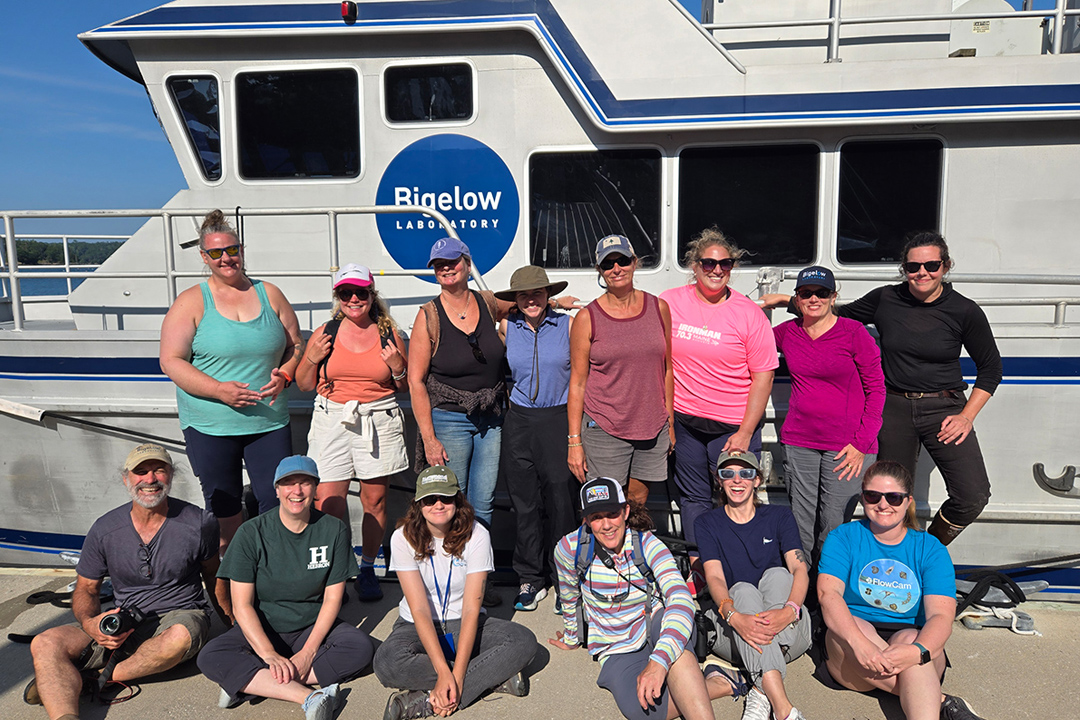
Back to School
While many families are gearing up for children to head back to school soon, nine Maine educators recently wrapped up some learning of their own during the BLOOM Educators program at Bigelow…
-
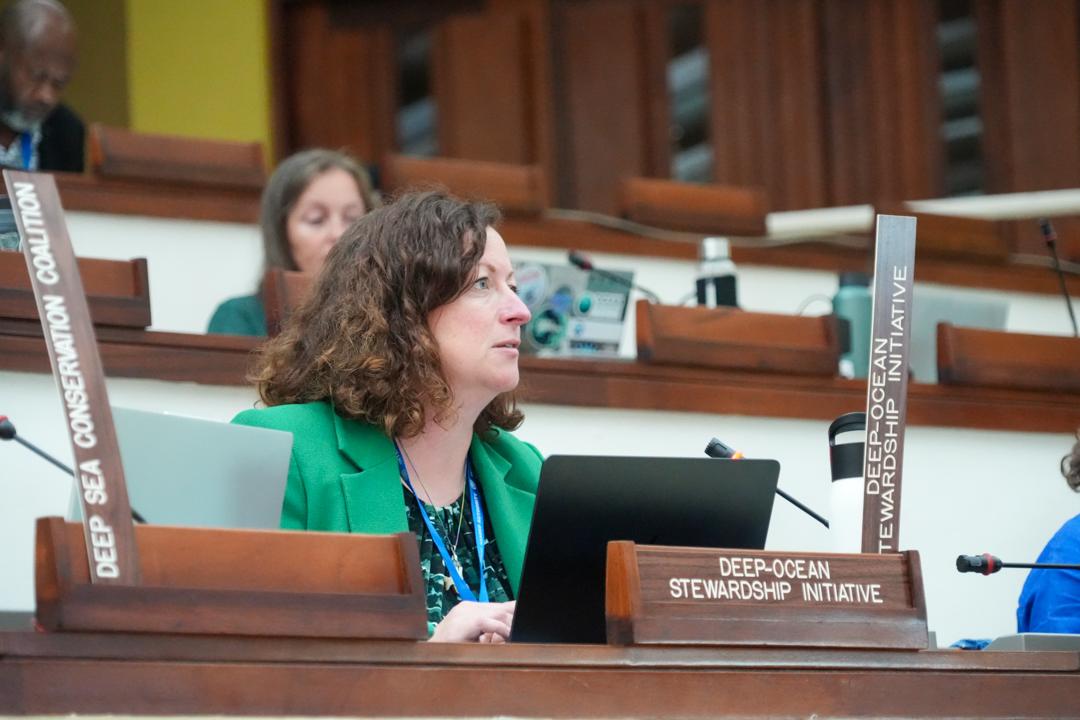
Deep-Sea Dialogue
Last month, diplomats, advocates, and lawyers from around the world gathered in Kingston, Jamaica for the second part of the 30th session of the International Seabed Authority (ISA), the intergovernmental body charged…
-
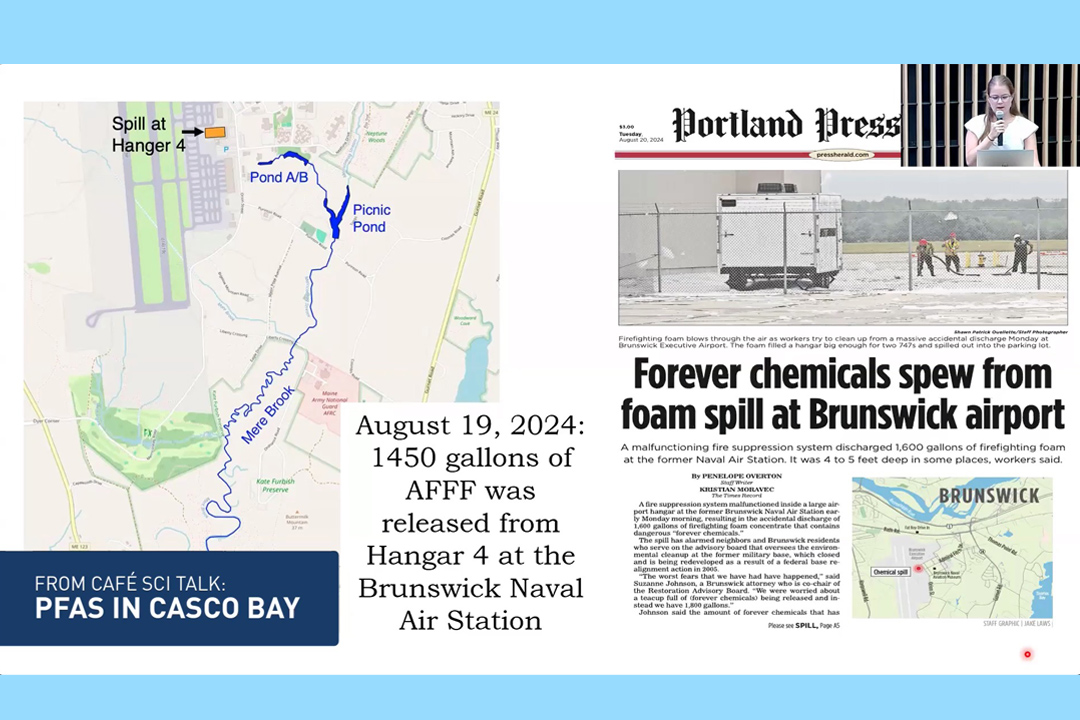
One Year On
Compared to forever, 12 months may not seem like a very long time. But a lot has happened since PFAS “forever chemicals” spilled in Brunswick a year ago this week. On August…
-
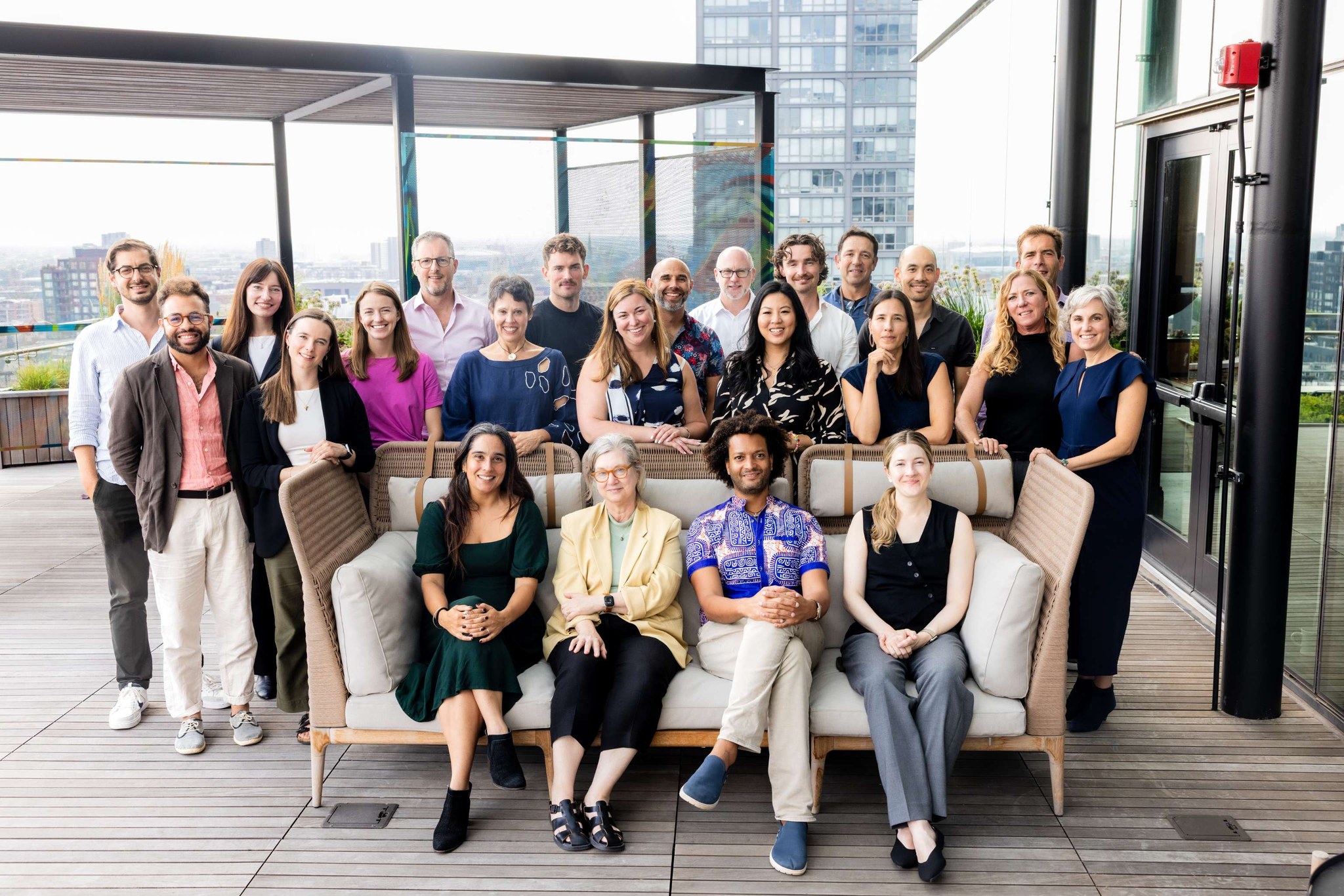
Storytelling and the Sea
This month, Bigelow Laboratory for Ocean Sciences Senior Research Scientist Nichole Price participated in the National Geographic Society Storytellers Workshop, hosted by Builders Vision in Chicago. The focused program empowers ocean-focused innovators…
-
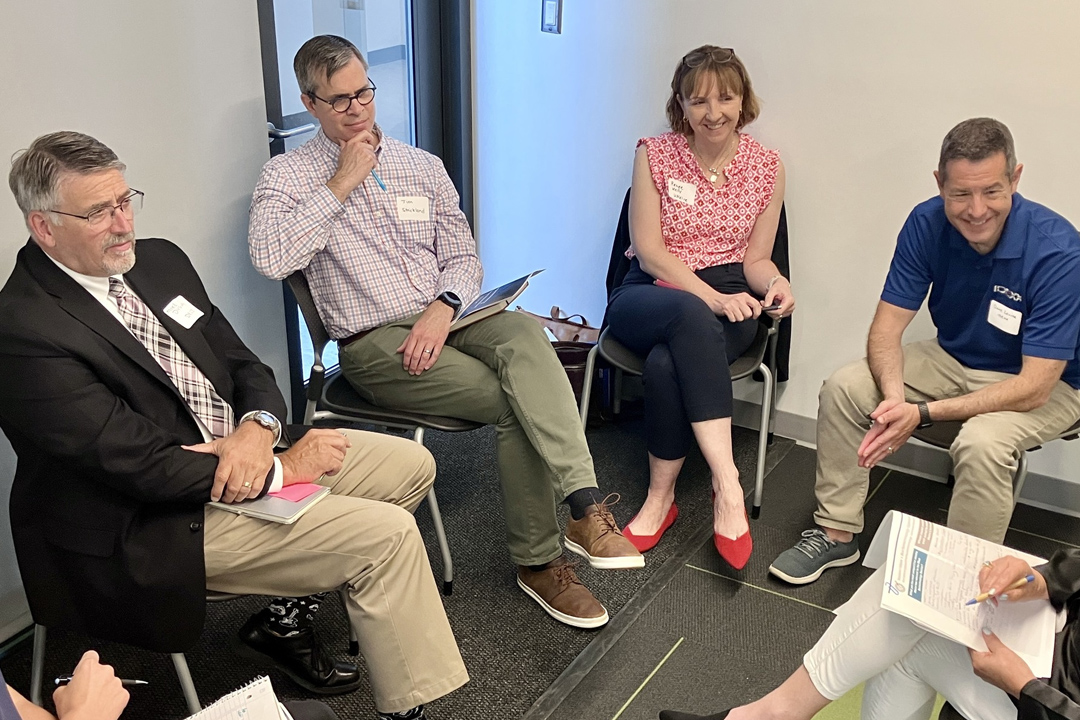
Turning Blue into Green
Maine has the resources to become a global leader in the emerging “blue biotech” industry. These advantages include an expansive coastline; thriving fisheries, aquaculture, and seaweed farming industries; robust research institutions; and…
-
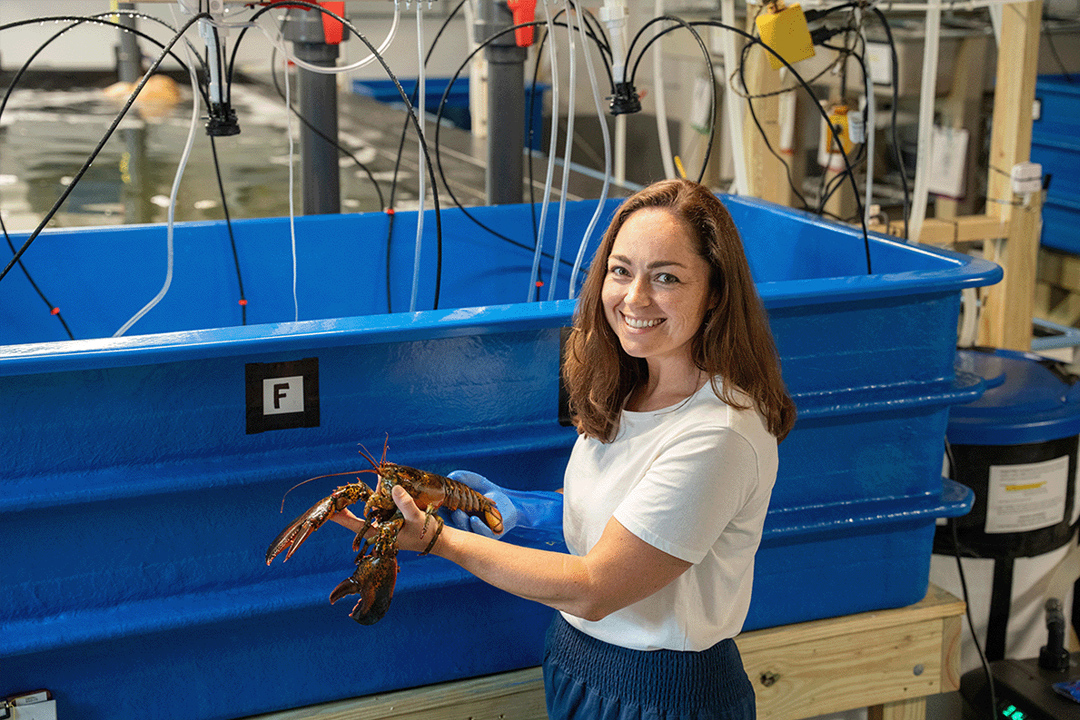
Carapace Conundrum
Warming waters helped drive a catastrophic collapse of the Southern New England lobster fishery in the late 1990s and early 2000s. Adult lobsters failed to reproduce. Baby lobsters failed to thrive. And…
-
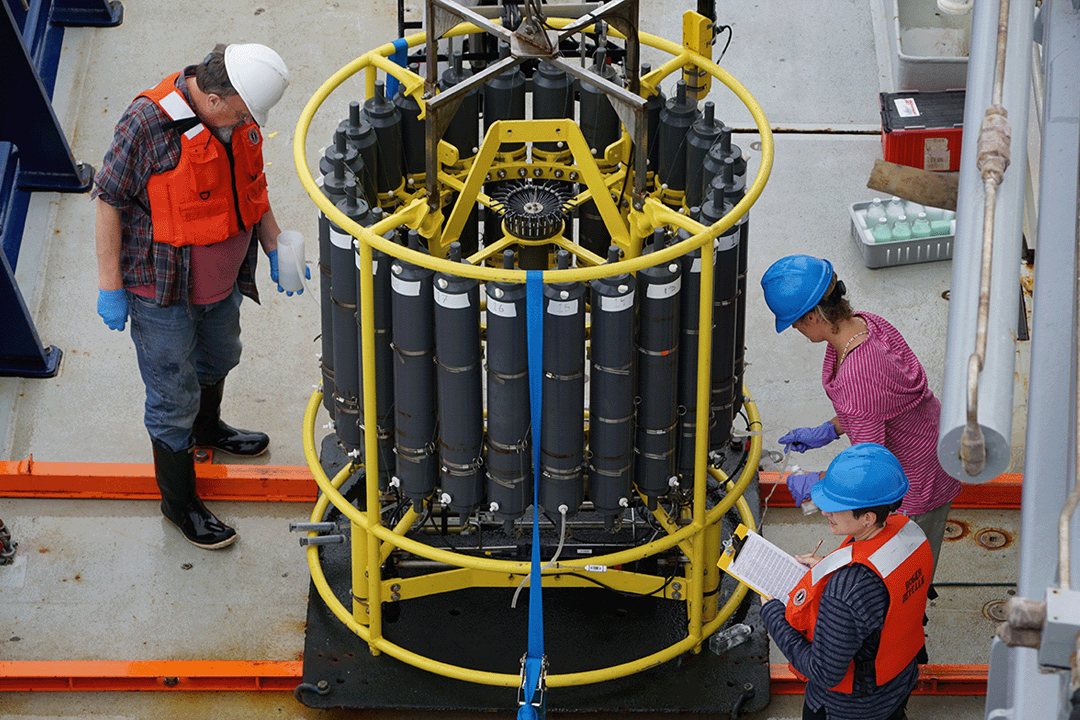
Surprisingly Chill Coccolithophores
A team of researchers, led by Senior Research Scientist Emeritus Barney Balch, has published new research helping illuminate some of the mysteries of the remote and cold Southern Ocean. The new study…
-
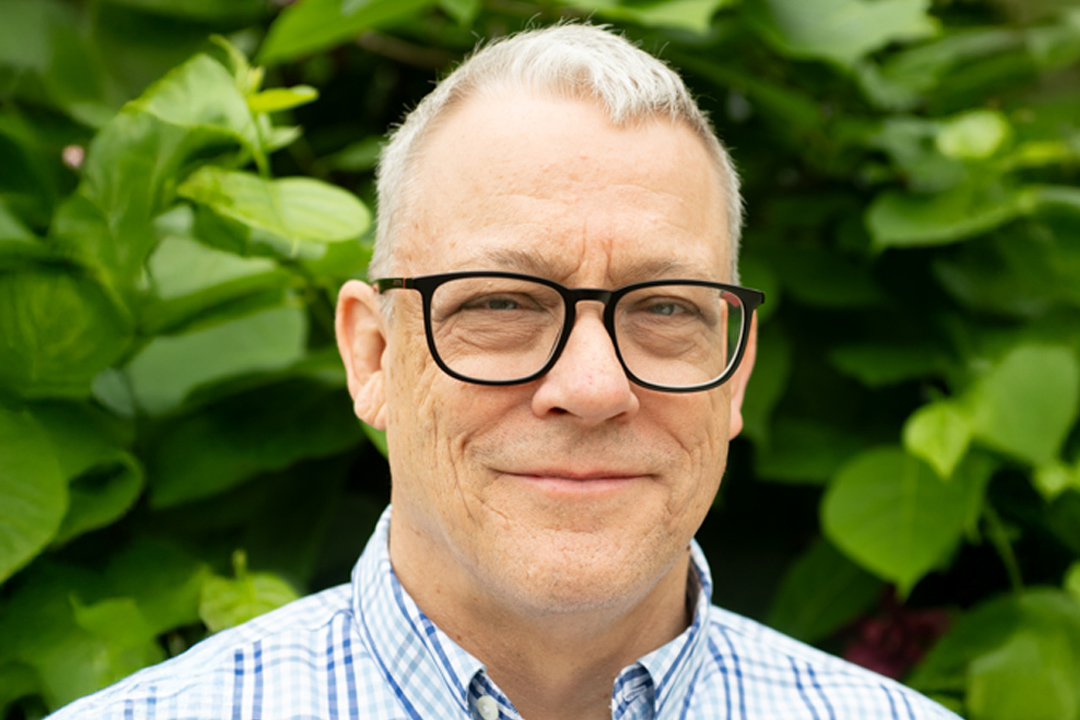
Welcome Back, Jim!
Bigelow Laboratory for Ocean Sciences is pleased to share that Jim McManus has recently been hired as the institute’s inaugural vice president for administration and operations. If Jim’s name sounds familiar, there’s…
-
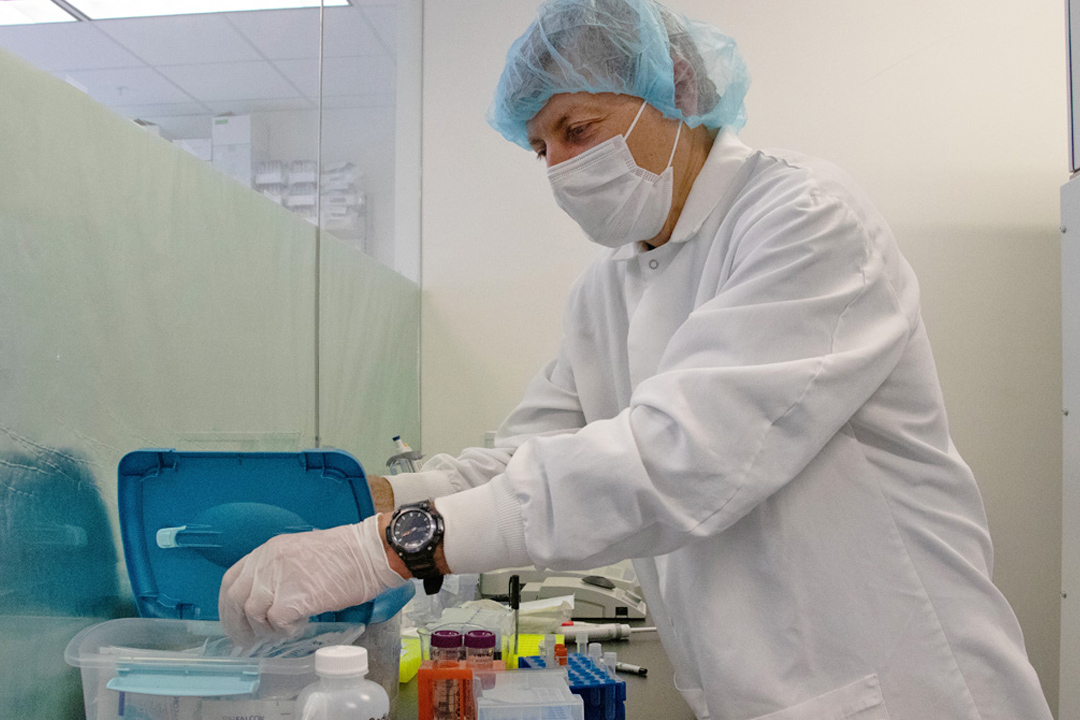
Single Cell Grant Upswell
Bigelow Laboratory for Ocean Sciences is excited to announce that we’ve recently received two awards from the National Science Foundation (NSF) for research that will help unlock the most fundamental unit of…
-
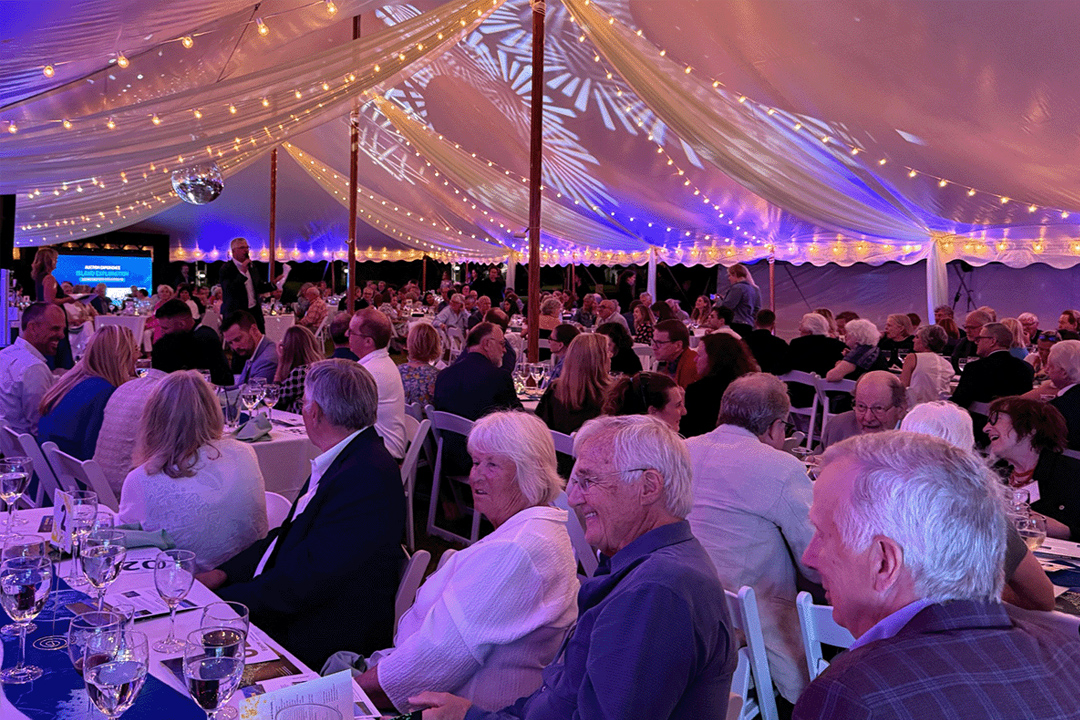
A Big Splash for Bold Science
Thank you to everyone who joined us at our campus in East Boothbay for The Big Splash tonight! What an unforgettable evening of discovery, inspiration, and connection — all in celebration of…
-
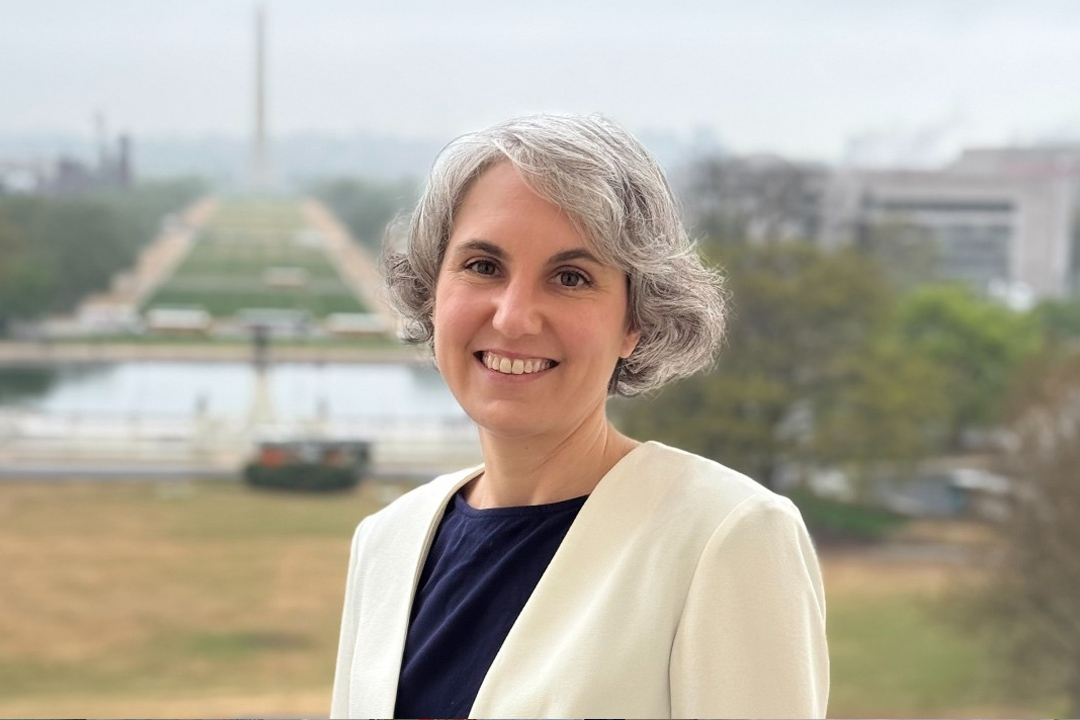
Field Notes from Washington, D.C.
As Director of the Center for Seafood Solutions, Senior Research Scientist Nichole Price often travels to D.C. to meet with policymakers and federal agencies. This spring, she returned to educate those decision…
-
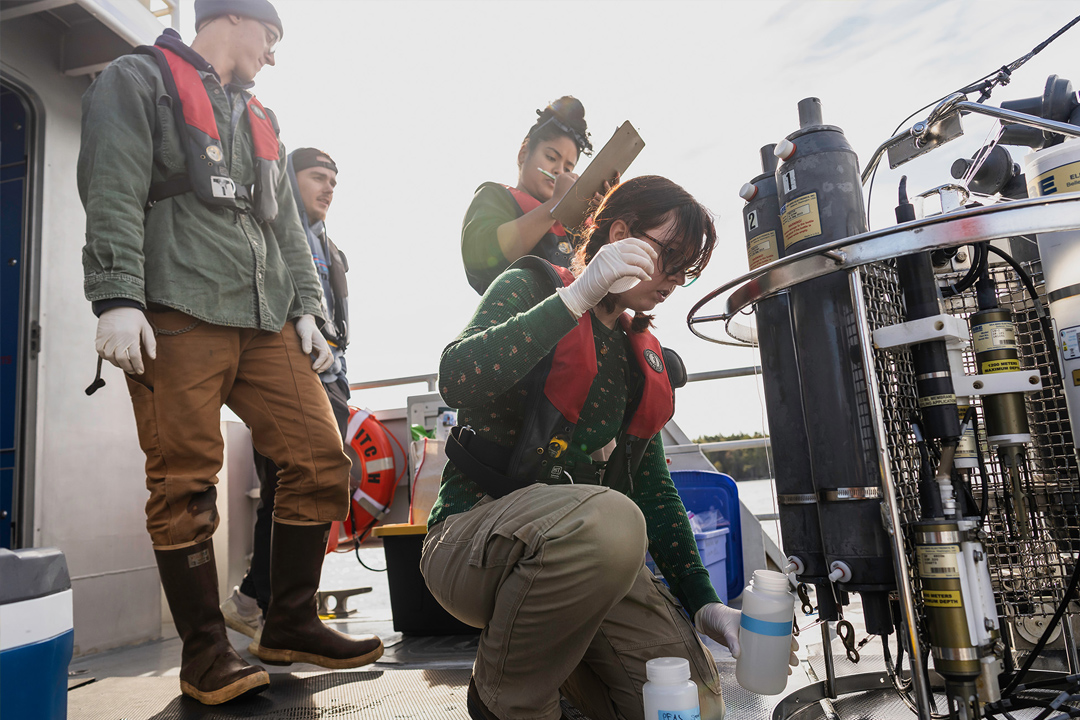
Top of the Class
Through a unique partnership with Colby College, several Bigelow Laboratory for Ocean Sciences scientists regularly step outside the lab and into the classroom — bringing their ocean expertise to undergraduate students in…
-
From Space to Sea
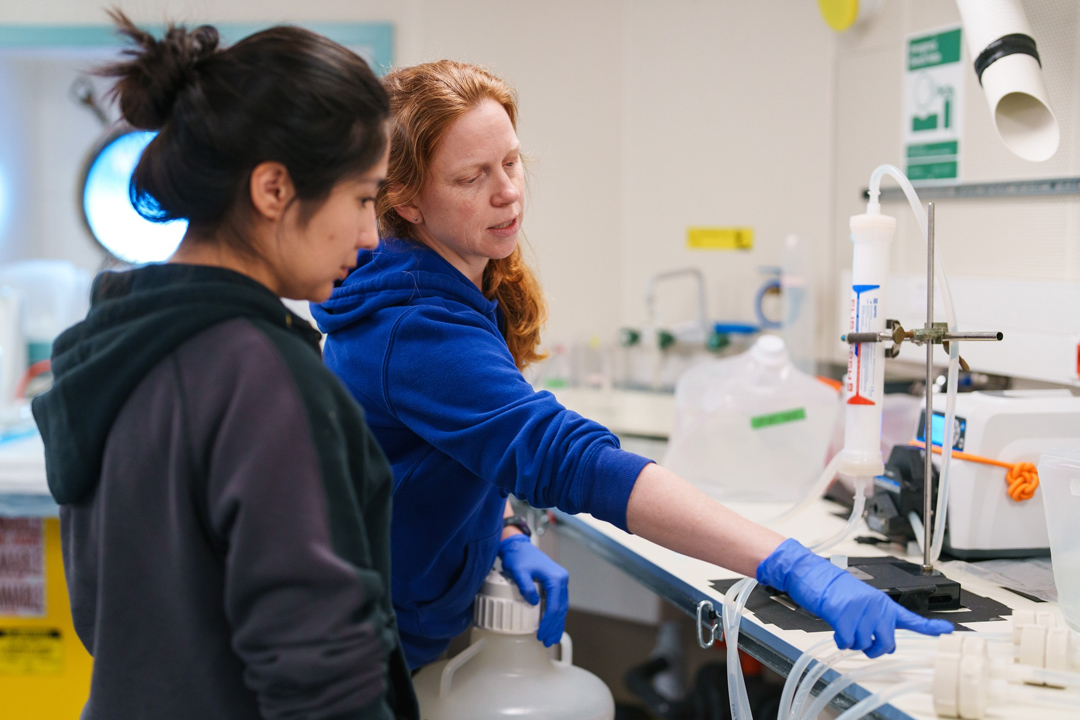
A collaborative project at Bigelow Laboratory for Ocean Sciences is linking satellite data with microscopic marine life to better understand the changing Gulf of Maine. Thanks to National Aeronautics and Space Administration…
-
Celebrating Bold Science
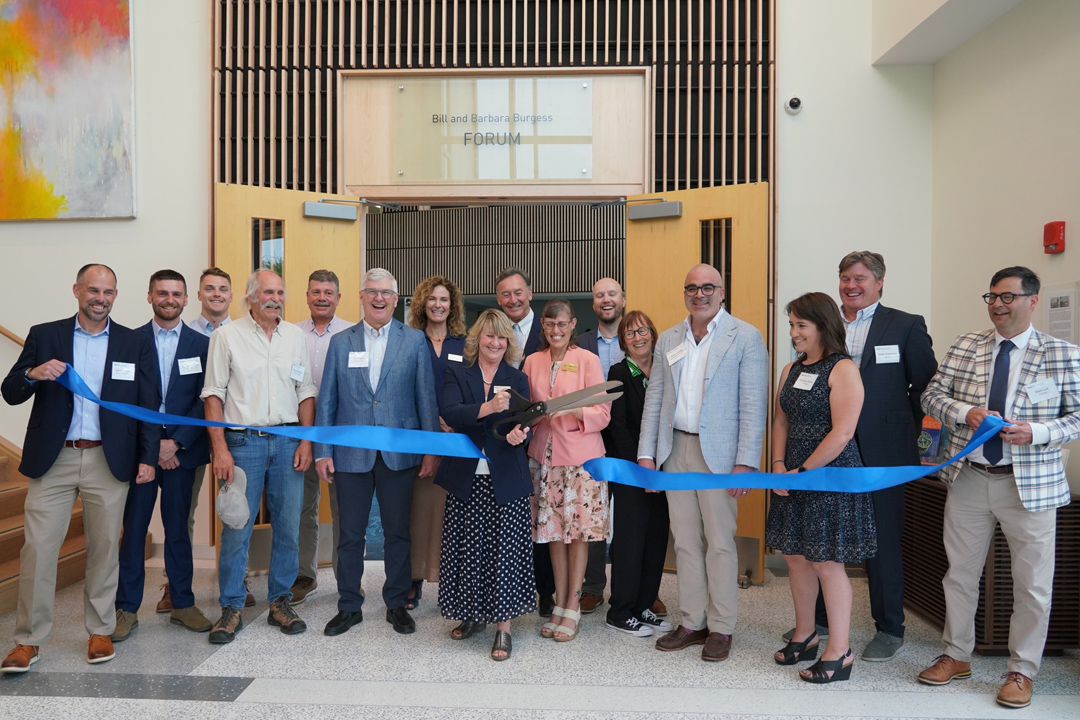
Yesterday afternoon, over 250 supporters, community leaders, and scientists gathered at Bigelow Laboratory in East Boothbay, Maine, to celebrate the grand opening of the Harold Alfond Center for Ocean Education and Innovation.The…
-
Cracking the Lobster’s Dietary Code
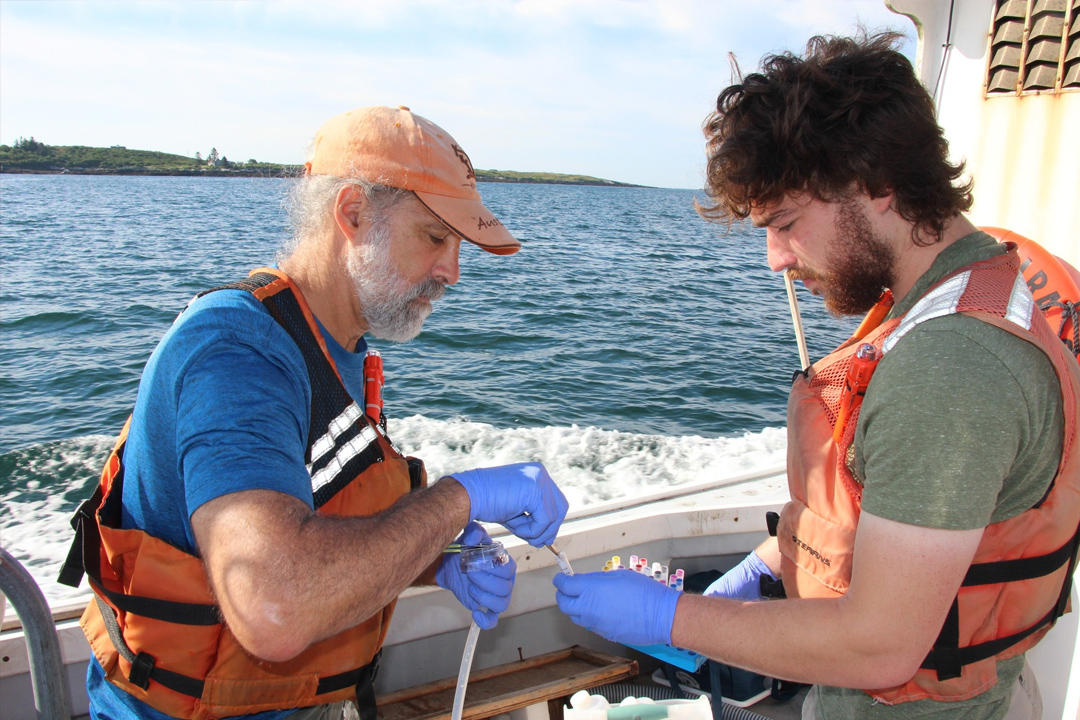
The American lobster may be one of the economic and ecological cornerstones of the Gulf of Maine ecosystem, but scientists still know surprisingly little about what they eat, especially in their vulnerable,…

–