
Much like the ever-churning surface of the ocean, 2025 proved to be a wildly unpredictable year for U.S. science. Despite the continuous ebbs and flows, Bigelow Laboratory’s scientists moved the needle across multiple disciplines.
Today, we’re proud to celebrate these researchers by looking back at discoveries and milestones from the past year.
We appreciate all the staff, partners, and donors who played roles in this important work throughout 2025. From all of us at Bigelow Laboratory: thank you for your support of science, and happy New Year!
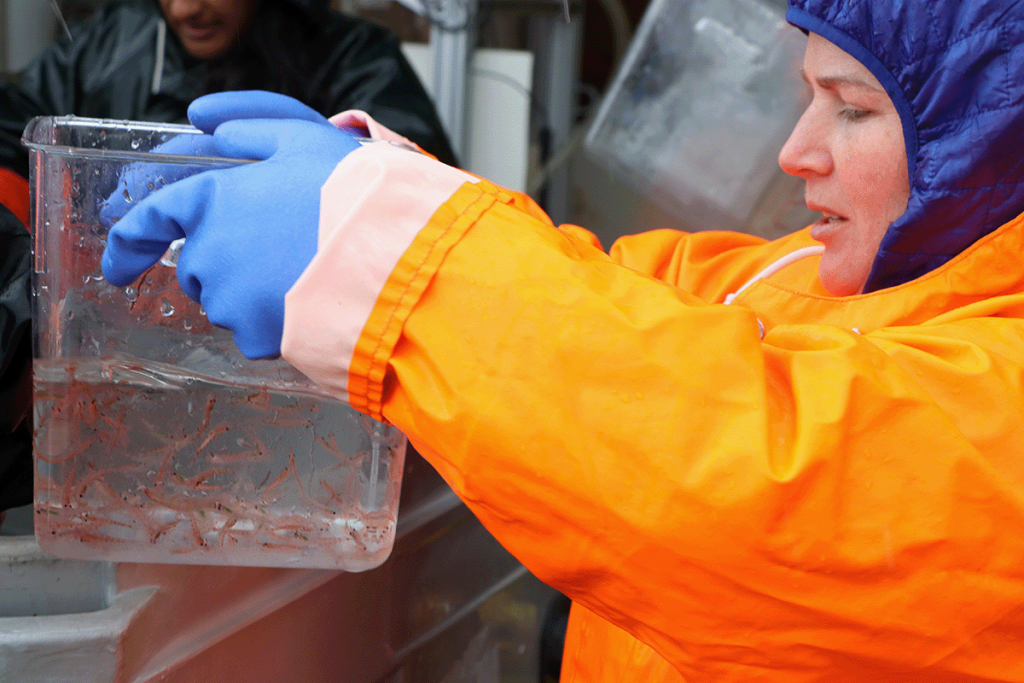
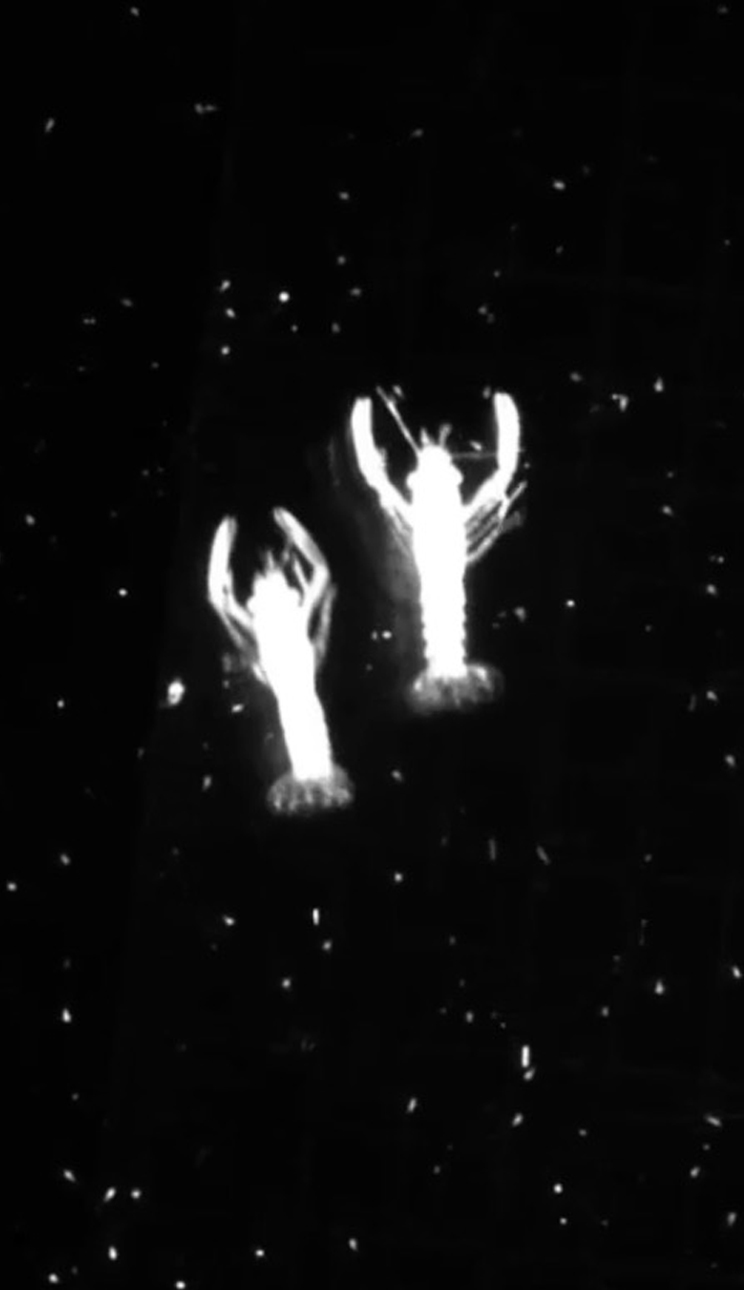
We combined models and lab experiments to understand the swimming and feeding behavior of Antarctic krill and reveal how this vitally important species may adapt to a changing Southern Ocean. (https://www.bigelow.org/news/articles/2025-02-04.html). Photo: Postdoctoral Scientist Nicole Hellessey during experiments at Palmer Station in Antarctica (Credit: David Fields).
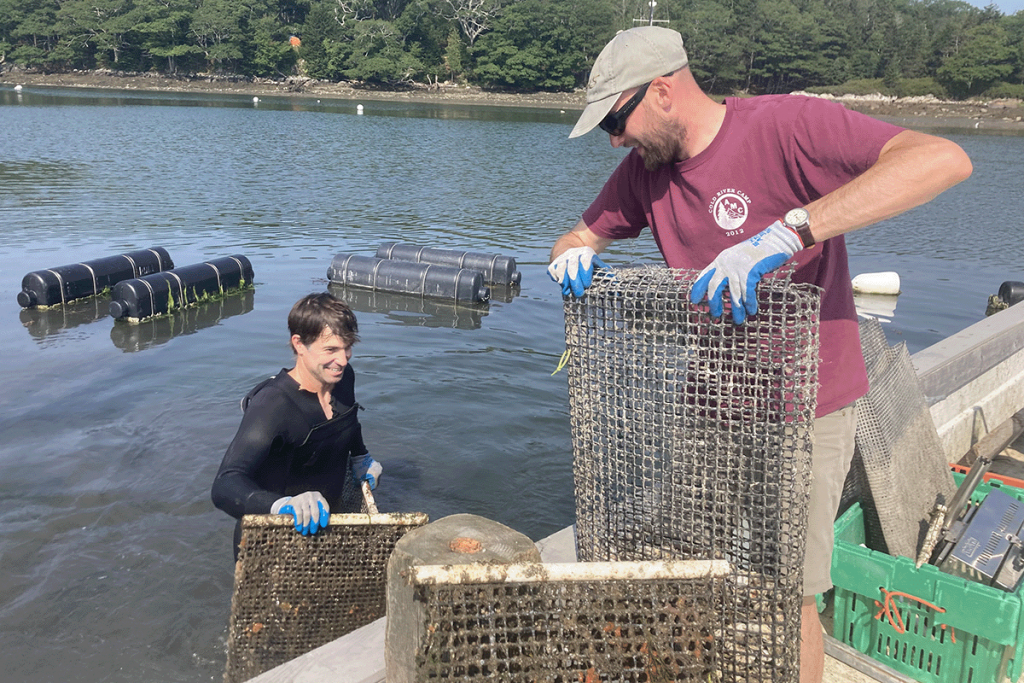
We built on the Maine-eDNA Project by developing new tools and finding exciting applications for eDNA’s power, including in Maine’s powerhouse aquaculture industry. (https://www.bigelow.org/news/articles/2025-03-26.html). Photo: Research Scientist Robin Sleith helps out during a tour with Maine Oyster Company, a leading aquaculture business in the state that also opened their dock to the Maine-eDNA team for sampling (Credit: Sydney Greenlee).
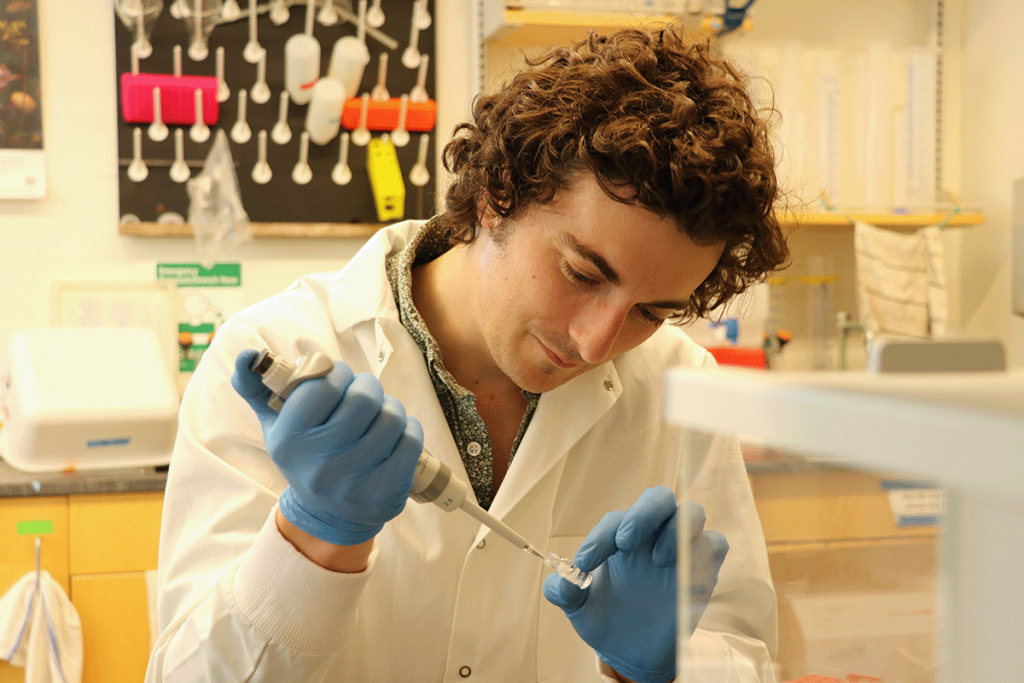
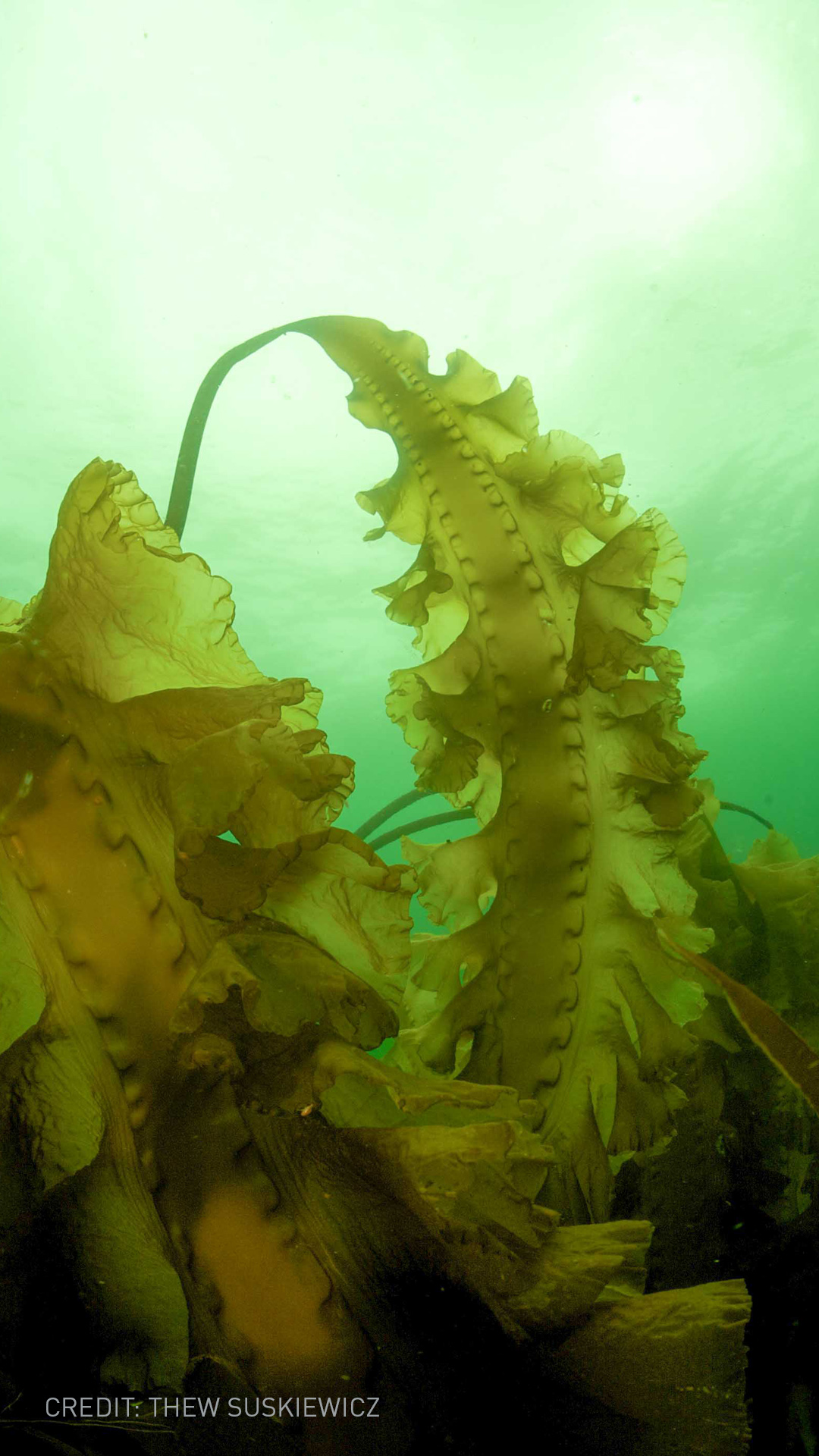
We showed how rapidly proliferating turf algae are waging “chemical warfare” to inhibit the recovery of kelp forests along Maine’s warming coast. (https://www.bigelow.org/news/articles/2025-05-22.html). Photo: Lead author, Shane Farrell, examines algae samples in the lab. Farrell spent several months on a research visit with co-author Daniel Petras’s former lab at the University of Tübingen to learn the methods for non-targeted metabolomics analysis (Credit: Bigelow Laboratory for Ocean Sciences).
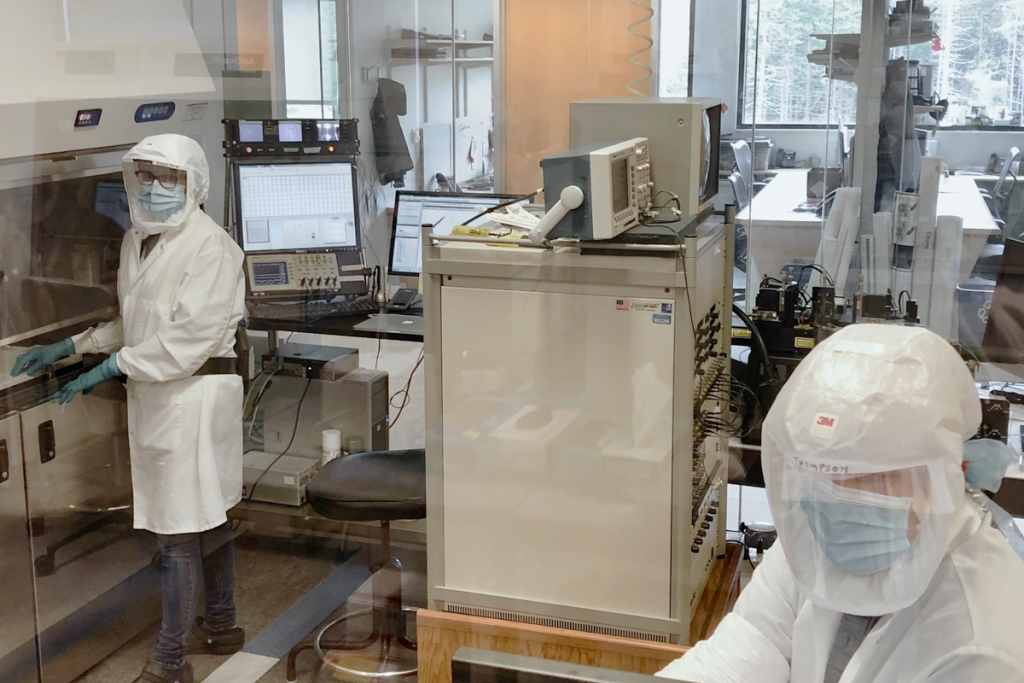
We published the first quantitative analysis of lateral gene transfer rates in the ocean, illuminating the adaptability of marine microbes and the significance of ongoing evolutionary processes to marine life. (https://www.bigelow.org/news/articles/2025-09-05.html). Photo: Senior Research Scientist Nicole Poulton (left) and Senior Research Associate Brian Thompson (right) at work in the Single Cell Genomics Center.
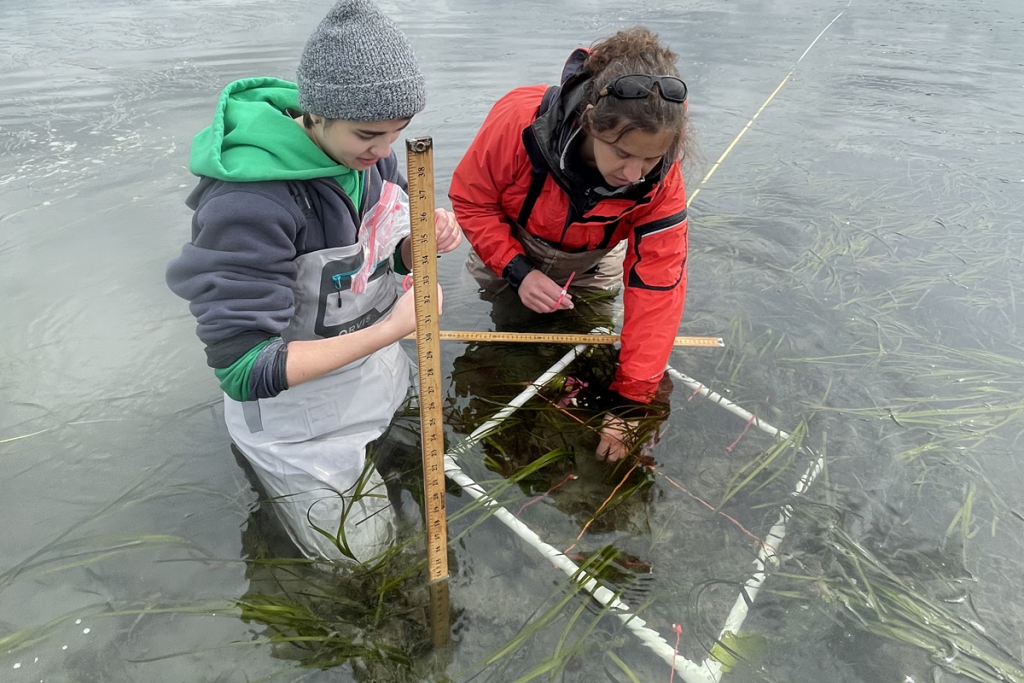
– We co-led a multi-institutional effort to unravel the causes and consequences of seagrass wasting in a warming ocean, highlighting the influence of the broader ecological community in the spread of marine diseases. (https://www.bigelow.org/news/articles/2025-12-17.html). Photo: Intern Shayla Ferreiro (left) and Maya Groner tag and inspect eelgrass shoots in Padilla Bay, WA during low tide (Credit: Lindsay Alma).