

Bigelow Laboratory researchers study every corner of the ocean to reveal its mysteries and help illuminate the foundations of ocean health. Explore some of our recent discoveries and advances to that end. These highlights originally appeared in the Winter 2026 edition of Transect.
Ocean Color Anomaly Explained
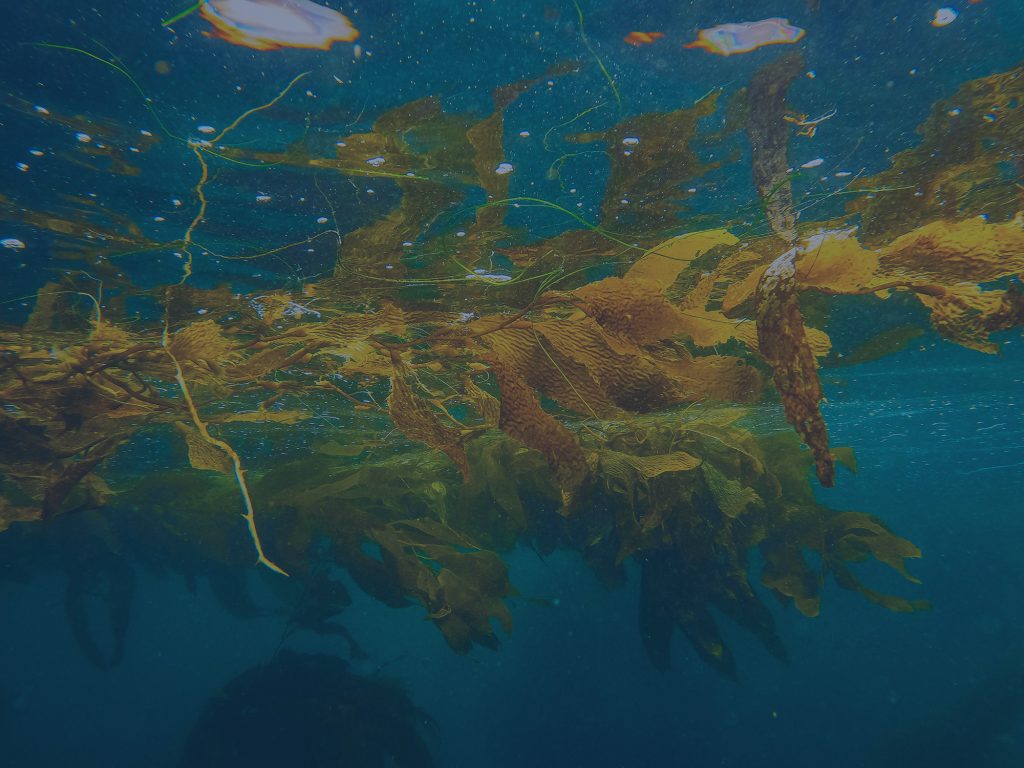
A team led by Senior Research Scientist Emeritus Barney Balch recently helped answer this long-standing mystery. They undertook a research expedition down to 60 degrees south during which they gathered a novel and valuable combination of optical and biogeochemical data, confirming that this part of the ocean has unusually high concentrations of silica-rich diatoms.
They also found evidence of coccolithophores, suggesting that these microalgae, which play a critical role in the global carbon cycle, can survive in colder waters than expected.
The findings provide valuable insight into how the plankton community responds to changing seawater conditions and will help improve the remote sensing tools scientists use to study the Southern Ocean.
Photo: Sunny Pinkham
Award Propels Ocean Discovery Research
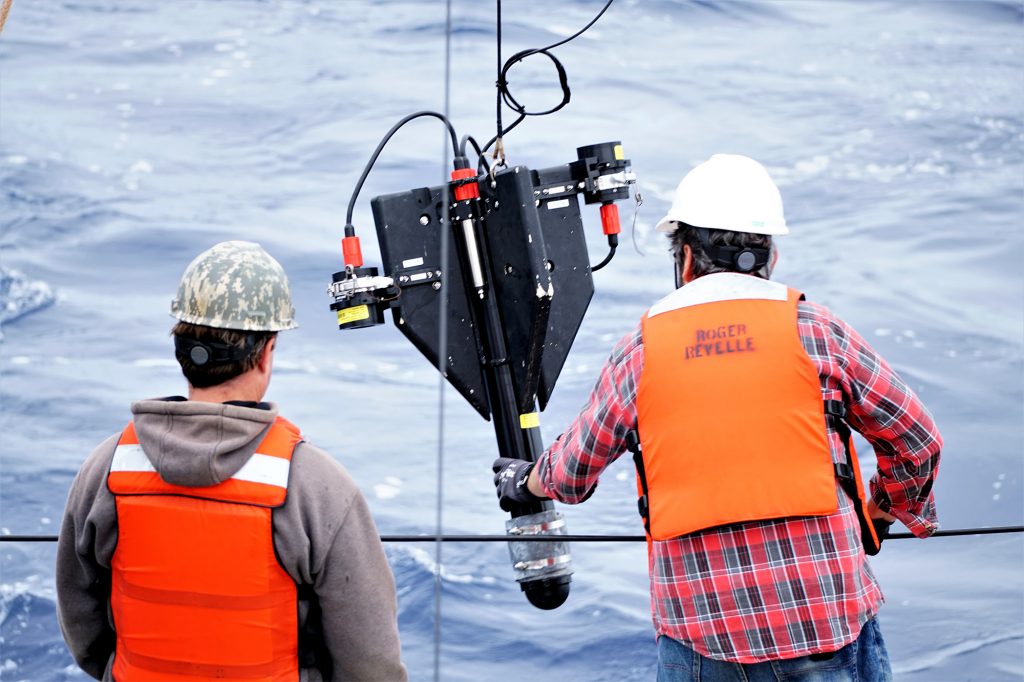
Last year, a team including Senior Research Scientist John Burns, published a new, multi-disciplinary approach for observing and describing fragile marine animals. The team, now led by Burns, received significant follow-on funding from the Ocean Shot Research Grant Program, an initiative to encourage bold research in ocean discovery and technology.
The innovative approach combines cutting-edge imaging technology and underwater robotics to produce high-resolution 3D images, preserve tissue, and generate reference genomic data. It enables scientists to study even the most fragile animals in their natural environment with unprecedented levels of detail and has the potential to speed up the process for classifying new species in the ocean’s vast and understudied midwater region.
The team’s project was also selected by Schmidt Ocean Institute for a research expedition next year out of Brazil to collect samples and collaborate with another Ocean Shot-funded team focused on species description and neurophysiology of marine animals.
Photo: Brennan Phillips
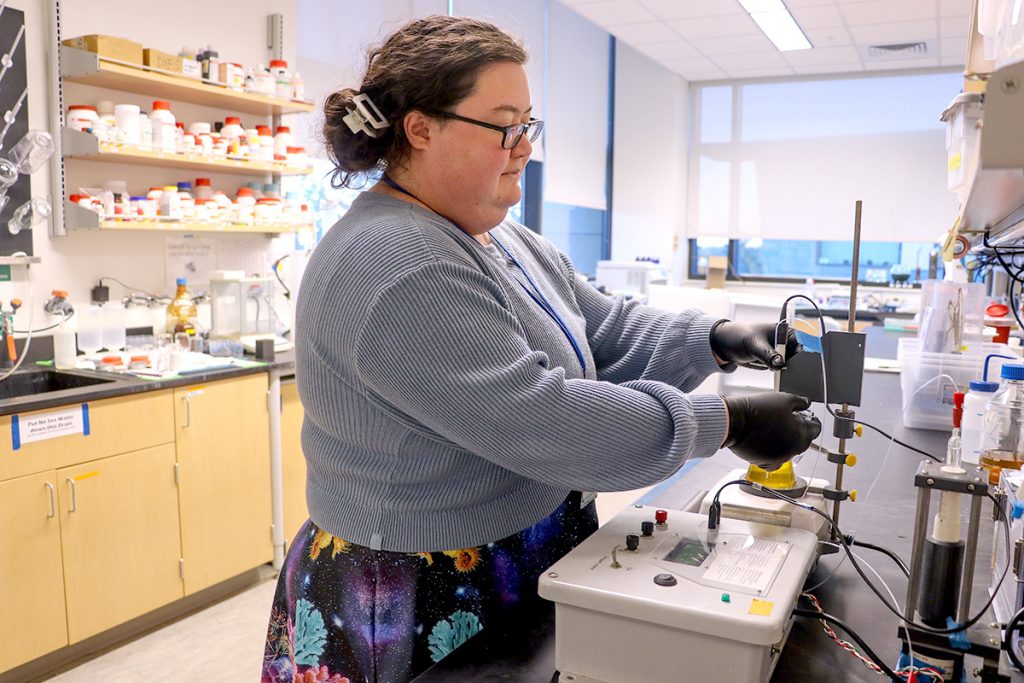
Several Firsts in the World of Single Cells
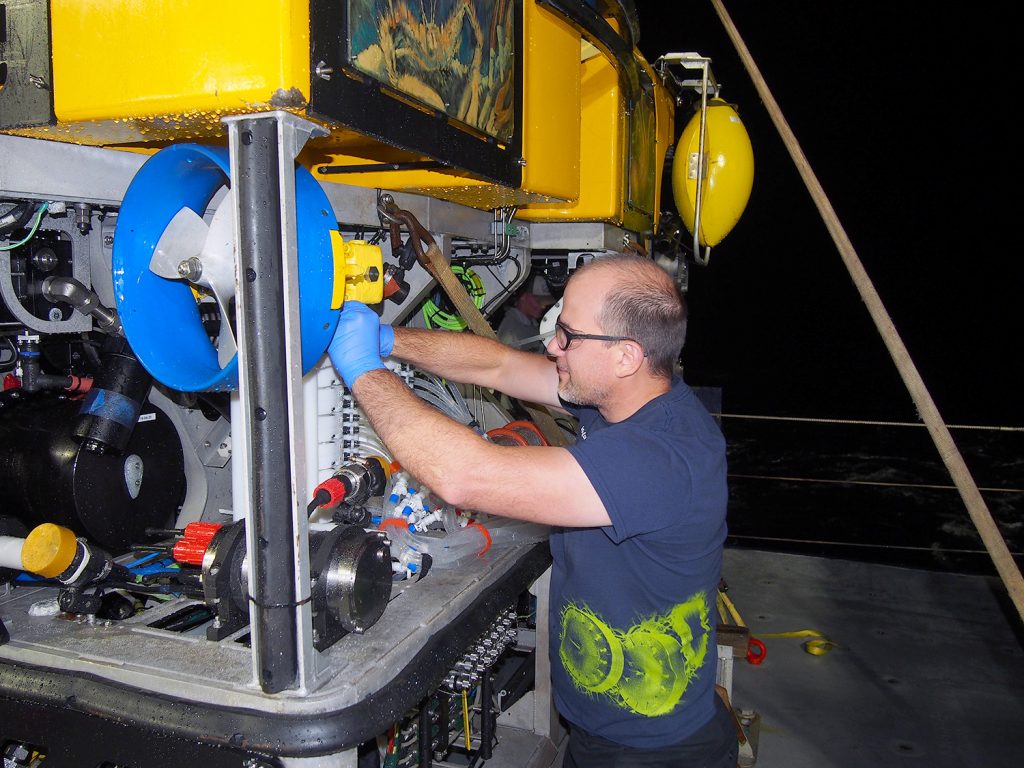
Bigelow Laboratory and Single Cell Genomics Center microbiologists published new research this year that transforms understanding of the complex and diverse world of marine viruses and microbes.
Recent advancements include: the first quantitative analysis across an entire microbiome of the critical evolutionary process of lateral gene transfer; the first environmental application of a new single-cell sequencing tool that vastly improves on the throughput and efficiency of existing methods; and the first use in coastal sediments of an advanced approach for linking the activity of microbes to their genetic code. That latter effort received additional funding to help the team continue unraveling the evolutionary history and function of bacteria they discovered in those sediments.
The institute also recently received a significant award from the National Science Foundation to expand the capabilities of SCGC, which will enable researchers to advance these pioneering projects and aid the institute’s broader efforts to unlock the biotech potential of microorganisms.
Photo: Fritz Freudenberger