
Bigelow Laboratory researchers collaborate with agencies, resource managers, and local governments to share our expertise and analytical capacity. Learn more about how our partnerships help provide the information needed to support science-informed decision making. These highlights originally appeared in the Winter 2026 edition of Transect.
Researchers Creatively Share Disease Work
Senior Research Scientist Maya Groner and her lab combine field surveys, experiments, and mathematical models to study the pathogens that affect marine species. This year, the team moved forward projects on several species, including sea stars, snow crabs, and eelgrass, to understand what impact warming waters have on diseases and identify opportunities to guide management and conservation strategies.
They also prioritized opportunities to share their work broadly. Groner and Research Scientist Reyn Yoshioka taught a course on infectious marine diseases at Friday Harbor Laboratories this summer. Yoshioka developed an educational board game called Crabdemics that uses crabs to teach epidemiological principles and was shared with schools and agency partners across Alaska.
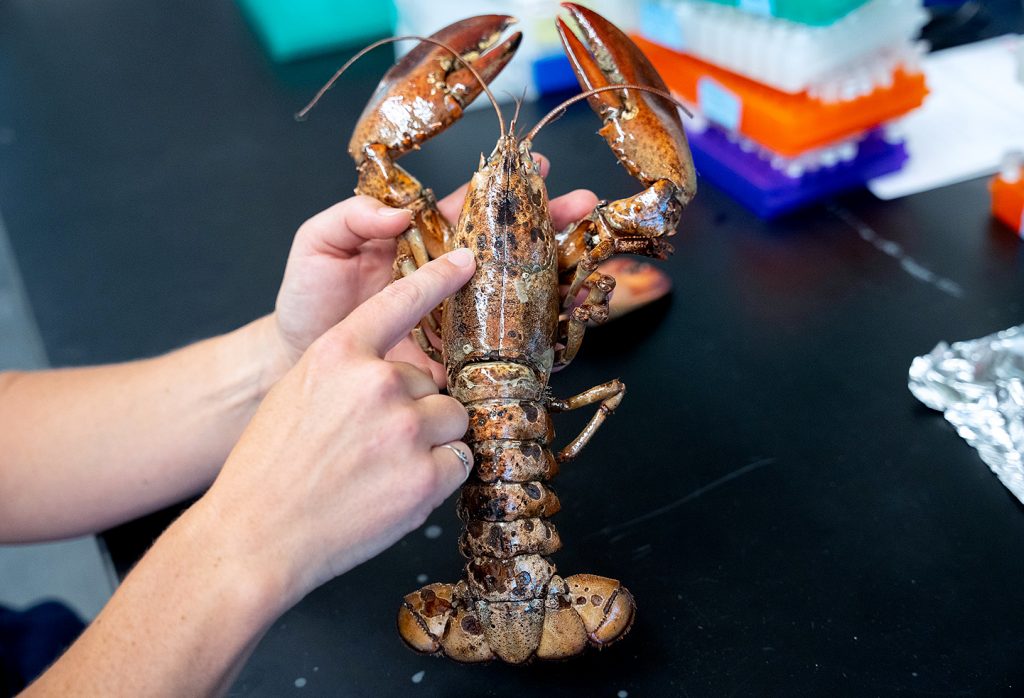
And, here in Maine, the team presented their research to the public during the Café Sci series in which Postdoctoral Scientist Melissa Rocker shared findings from an interdisciplinary project on the spread of epizootic shell disease in Gulf of Maine lobsters.
Photo: Catie Cleveland
High Honors for Bigelow Laboratory
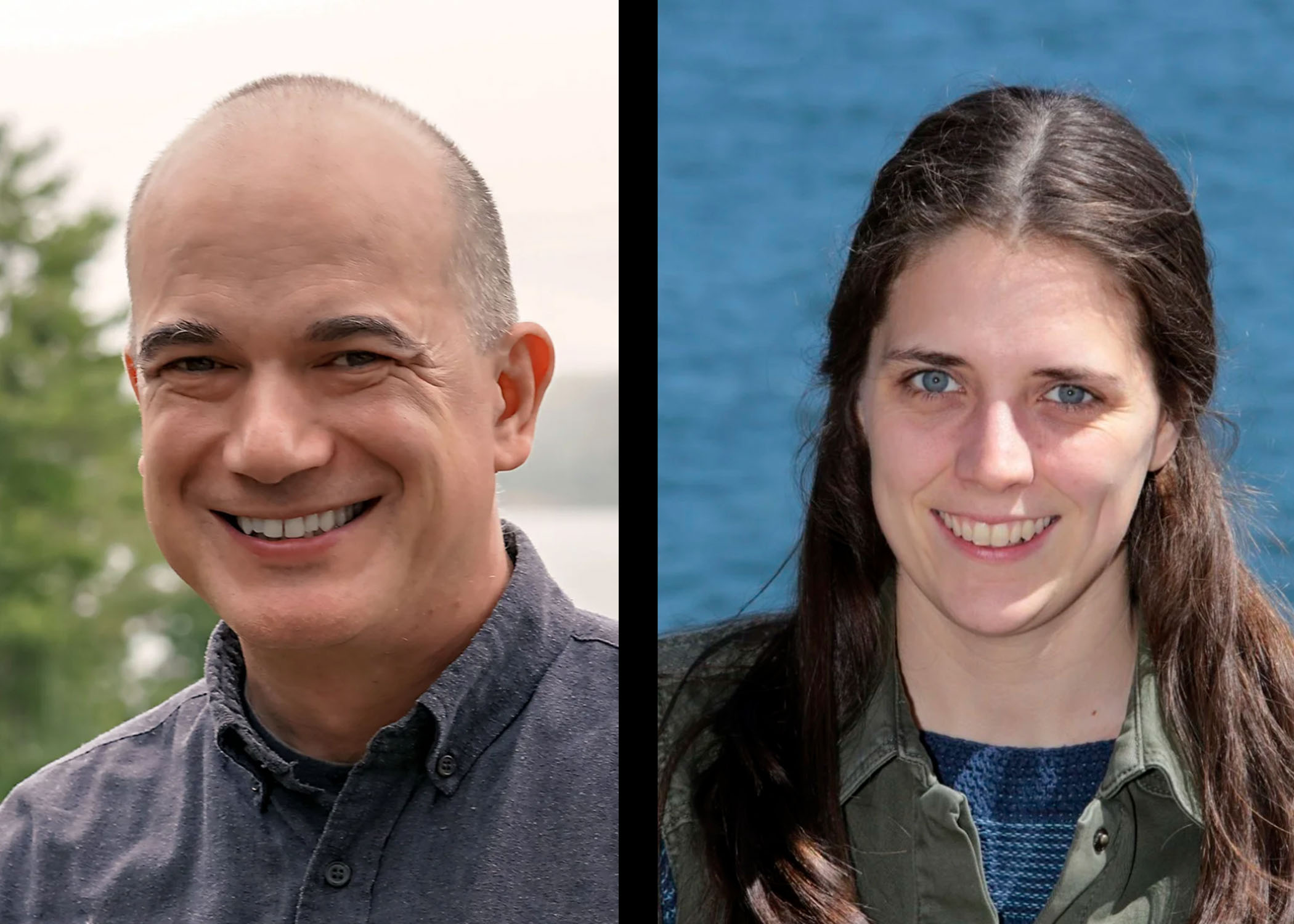
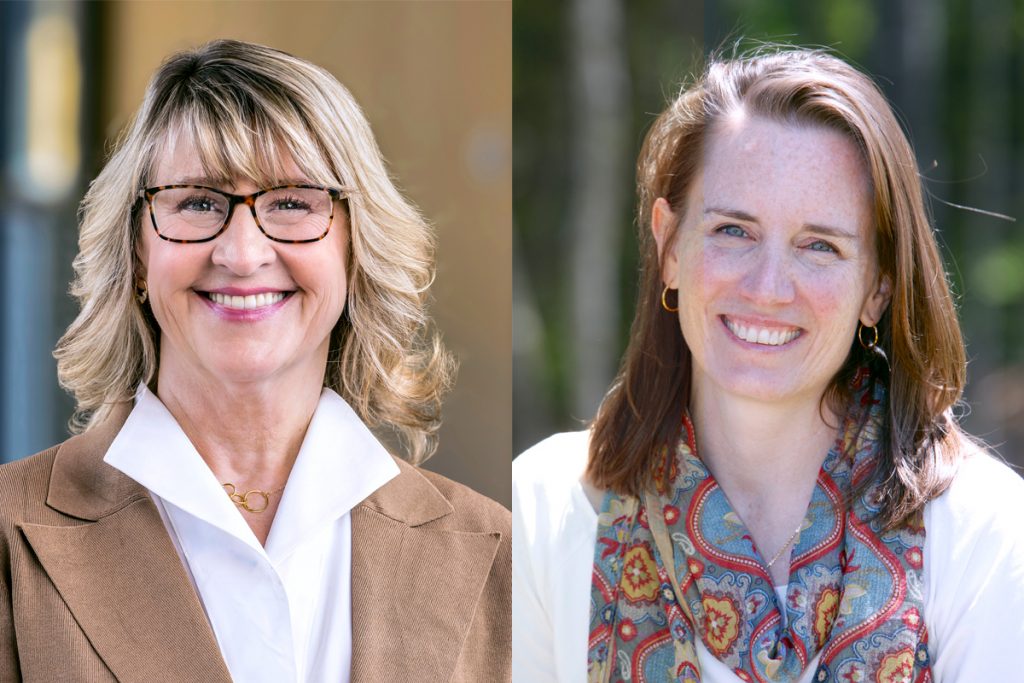
Two Bigelow Laboratory scientists received significant honors this year for their contributions to ocean science and education.
President and CEO Deborah Bronk received an award from the Association for the Sciences of Limnology and Oceanography (ASLO) for her efforts to support the scientific society’s professional goals and her stewardship broadly of the aquatic sciences community. Bronk was also recognized as a Business Leader of the Year by Mainebiz for her strategic leadership of Bigelow Laboratory, particularly through the opening of the Alfond Center for Ocean Education and Innovation.
Senior Research Scientist Nicole Poulton also received a top honor from ASLO, which recognized her outstanding teaching and mentoring contributions and her dedication to education, which is reflected in her leadership of several Bigelow Laboratory education endeavors. Poulton is also part of the Bio-GO-SHIP team, an international research collaboration that received an Excellence in Partnering Award from the National Oceanographic Partnership Program.
Photo: Tim Greenway
Helping Build HABs Capacity Worldwide
Harmful algal blooms are a growing challenge for coastal communities around the world. Researchers from Bigelow Laboratory have been working with a global network of partners to share their expertise and help guide communities that want to develop early warning systems to help combat HABs.
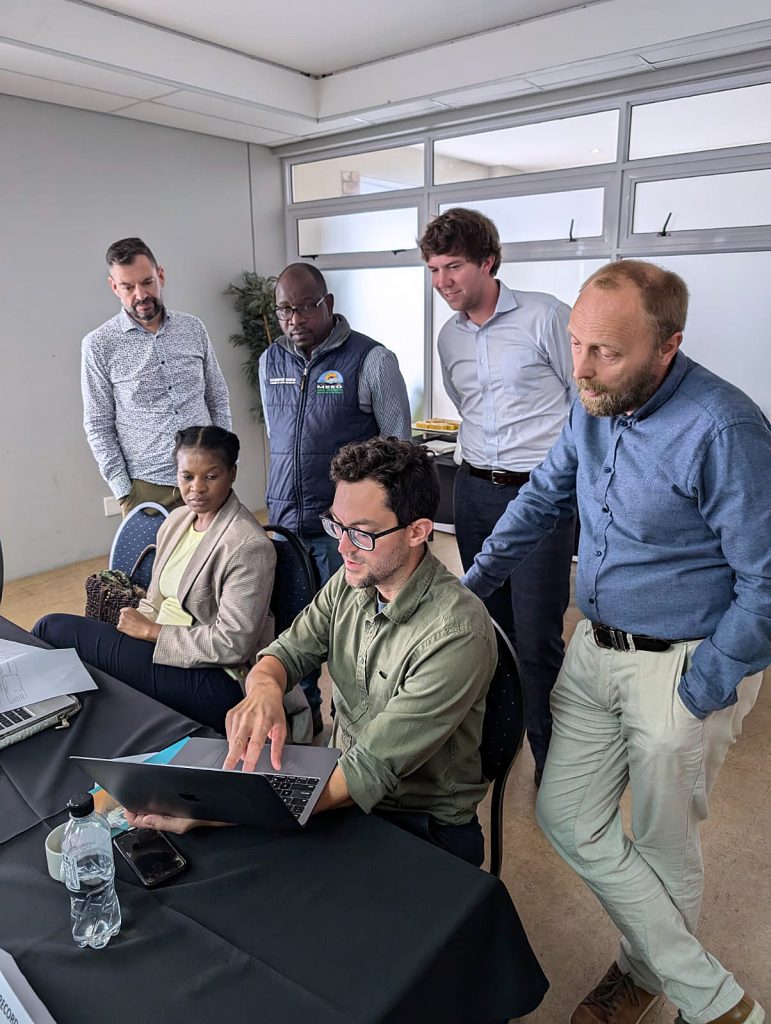
Predicting where blooms will emerge and how long they’ll last — and getting that information out to people effectively — will ensure managers can make science-informed decisions. To that end, Senior Research Scientist Nick Record and Research Associate Johnathan Evanilla, who were both involved in creating a HAB forecasting tool here in Maine, participated in several UNESCO-funded workshops in Morocco and Namibia.
These events brought together stakeholders and scientists from around the world to identify knowledge gaps, build technical capacity, and begin developing early warning systems that are accessible and useful. Following the workshops, Record and Evanilla have been developing virtual content to enable participants to continue building relevant technical skills.
Photo: Marie-Yasmine Dechraoui Bottein