
Despite Bigelow Laboratory’s global focus, we’ve always valued our homebase — seeking to bring Maine to the world and to the world to Maine. Check out some of our efforts to help Maine-based businesses and communities thrive. These highlights originally appeared in the Winter 2026 edition of Transect.
Institute Helps Advance Burgeoning Biotech Industry
With its strong maritime heritage, rich marine ecosystems, and thriving working waterfront, Maine is positioned to be a national leader in the blue economy.
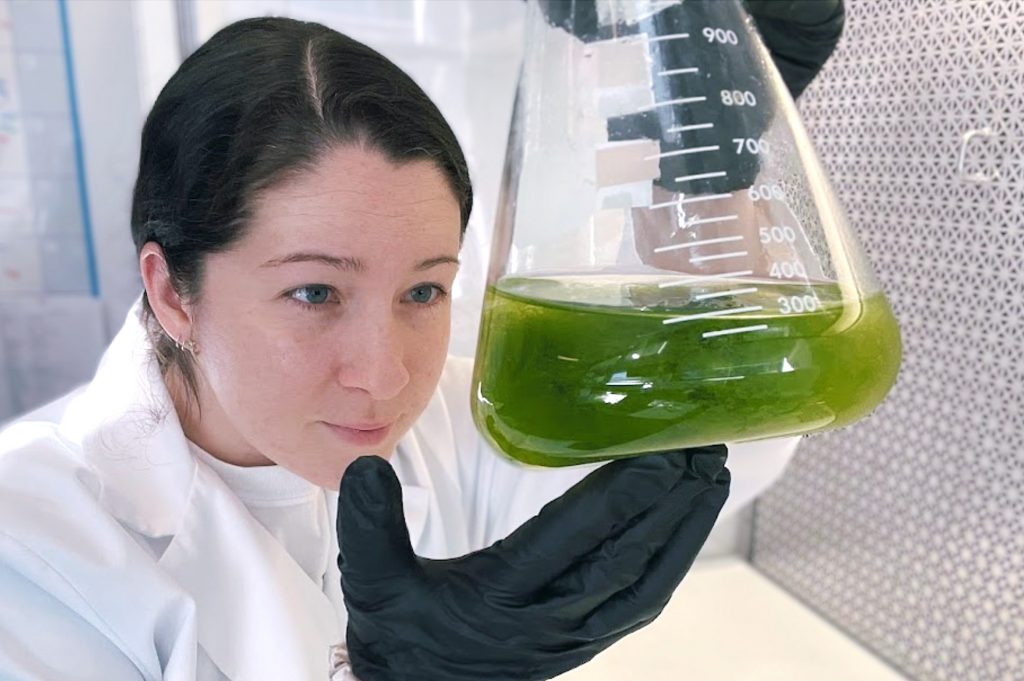
Bigelow Laboratory is helping catalyze that economic development by promoting a blue biotechnology sector that drives innovation and enables discovery of novel materials from marine organisms for everything from manufacturing to agriculture.
Beth Orcutt, vice president for research, is serving on the Blue Economy Task Force to provide recommendations on how Maine can grow its blue economy. In service of this, Bigelow Laboratory commissioned an ecosystem map of Maine’s leadership potential in blue biotechnology, releasing the resulting report in October.
Building on this momentum, the institute was awarded funding from the Maine Technology Institute, in collaboration with Hatch Blue and Ocean House Consulting, to support entrepreneurs with an innovation studio that signals to global investors the state’s readiness to support new ventures in this space.
Photo: Kerry Dyken
Scientists Monitor Brunswick Area PFAS Spill
PFAS are a large group of man-made chemicals known for being durable and long lasting. So, when 50,000 gallons of PFAS-containing firefighting foam was accidently released from the former Brunswick Naval Air Station in August 2024, researchers, organizations, and agencies jumped into action.
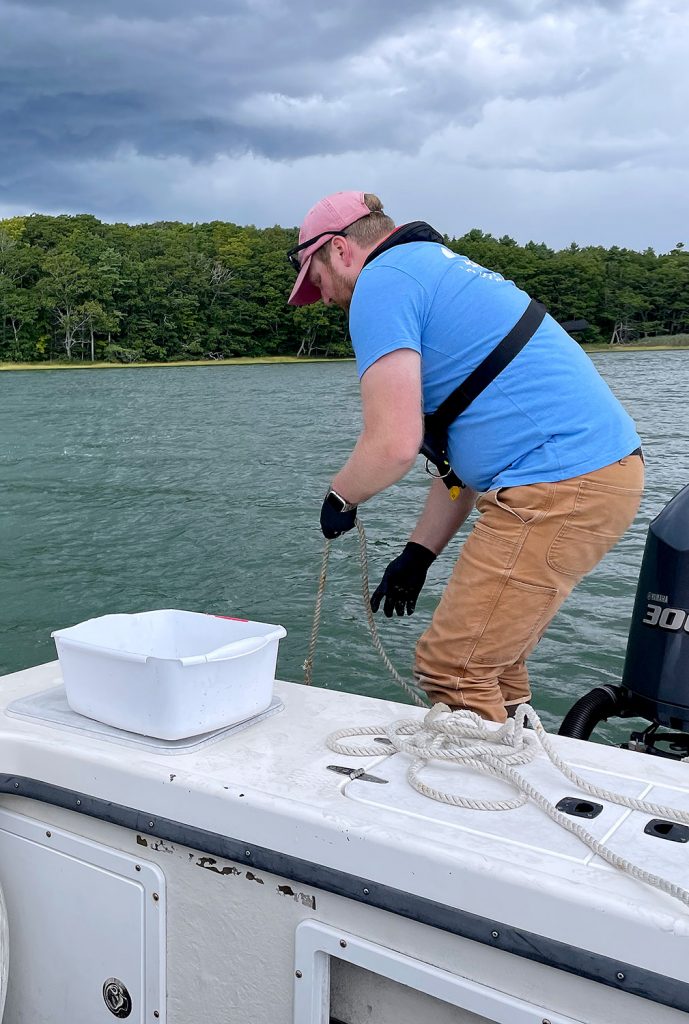
Led by Senior Research Scientist Christoph Aeppli and funded by the EPA, Bigelow Laboratory researchers have spent the last year monitoring several sites to understand how quickly the chemicals moved through Harpswell Cove into the ocean.
By comparing results to baseline data the team has been collecting across the region since 2023, they revealed that concentrations initially increased along a 10-mile transect downstream from the spill but returned to pre-spill levels within months.
This monitoring data, gathered in partnership with Friends of Casco Bay, is providing important context for agencies managing the spill and has vastly improved scientists’ understanding of the movement and fate of these chemicals in tidal systems.
Photo: Christoph Aeppli
Partnerships Power Aquaculture-Focused Research
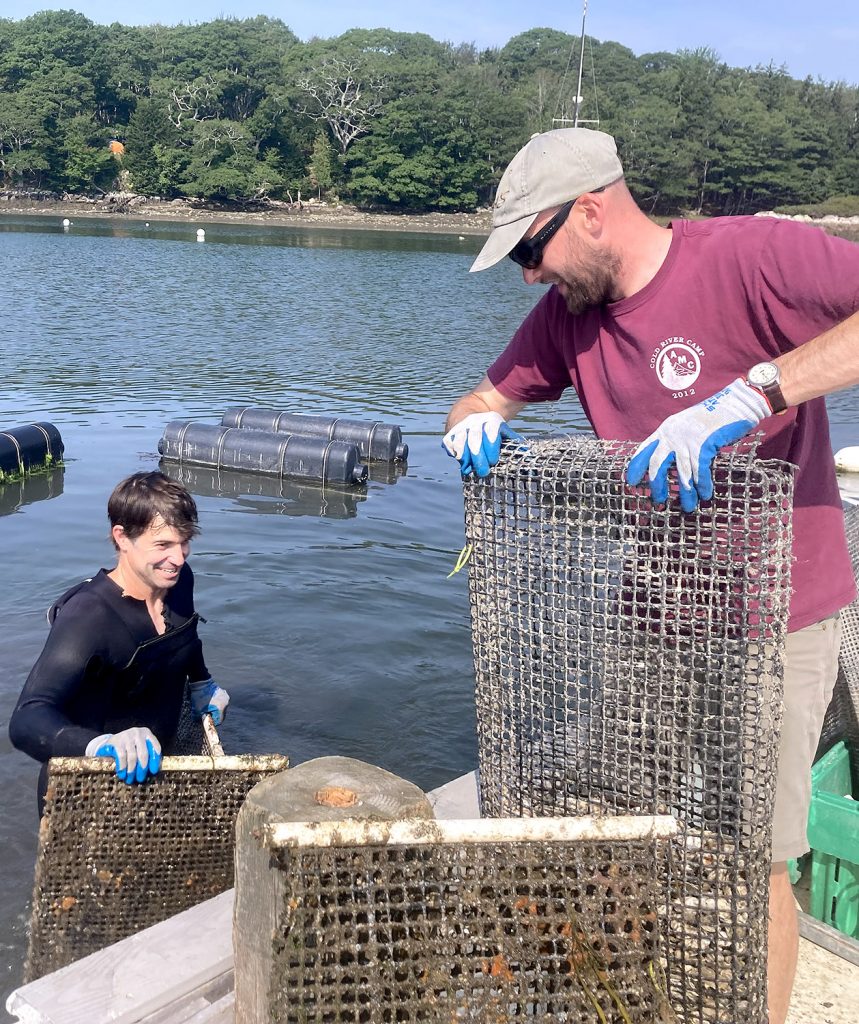
Collaborations with aquaculture partners are helping advance several threads of Bigelow Laboratory research, resulting in tools and knowledge ocean farmers need.
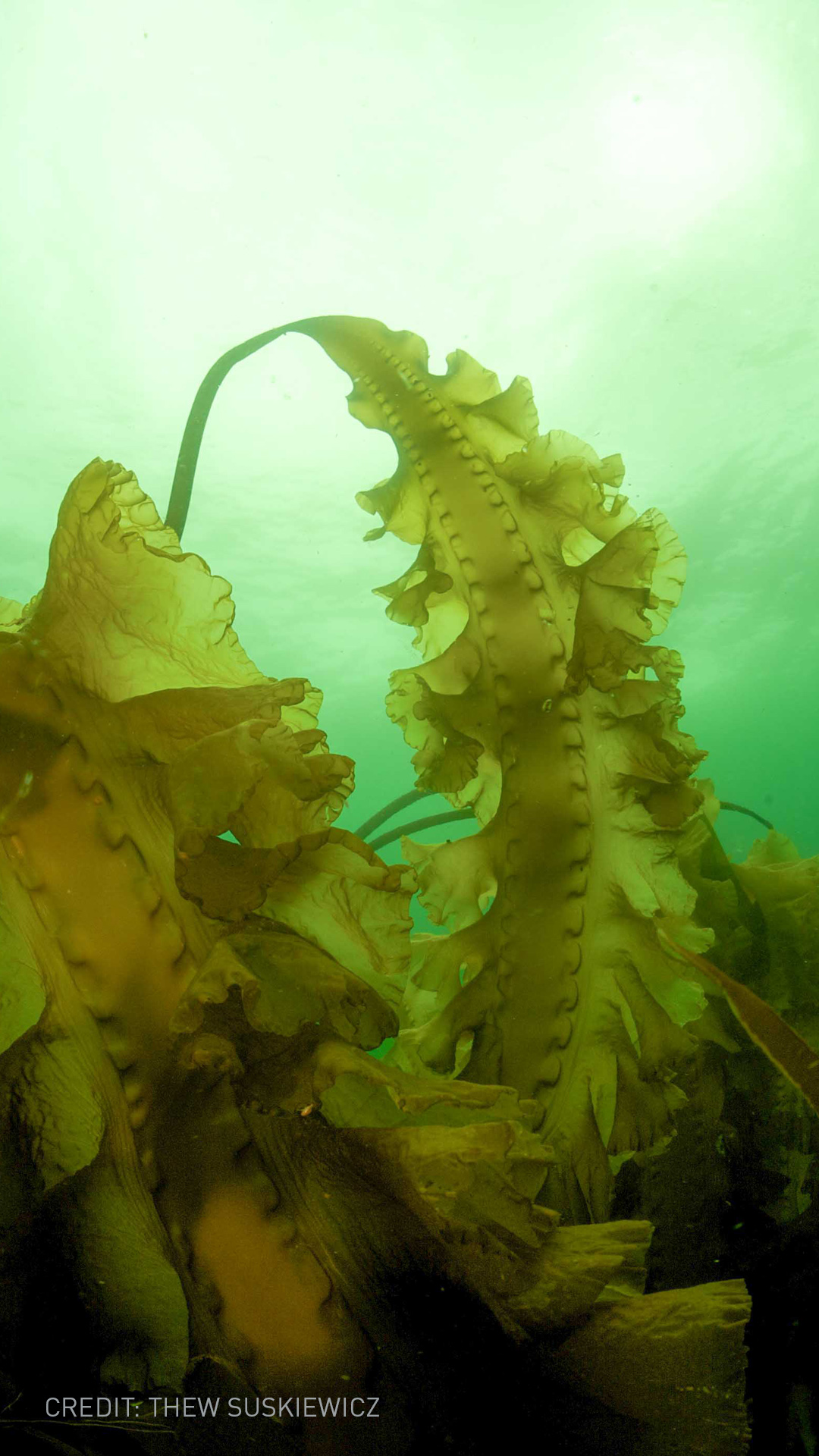
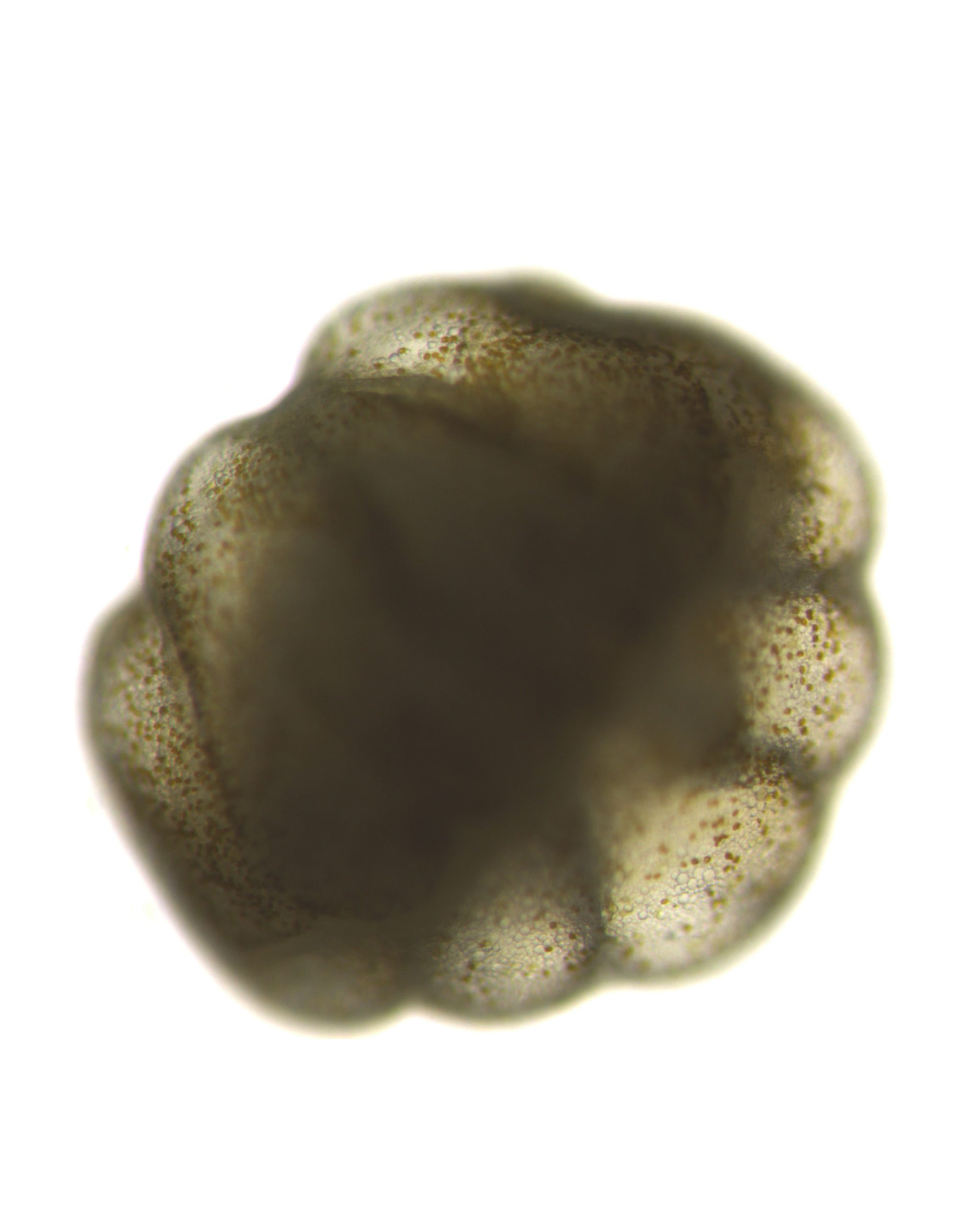
For example, a team is developing cryopreservation and seeding methods for different stages of kelp, which would provide farmers with readily available cultivated spores and help them cope with shocks to wild seaweeds.
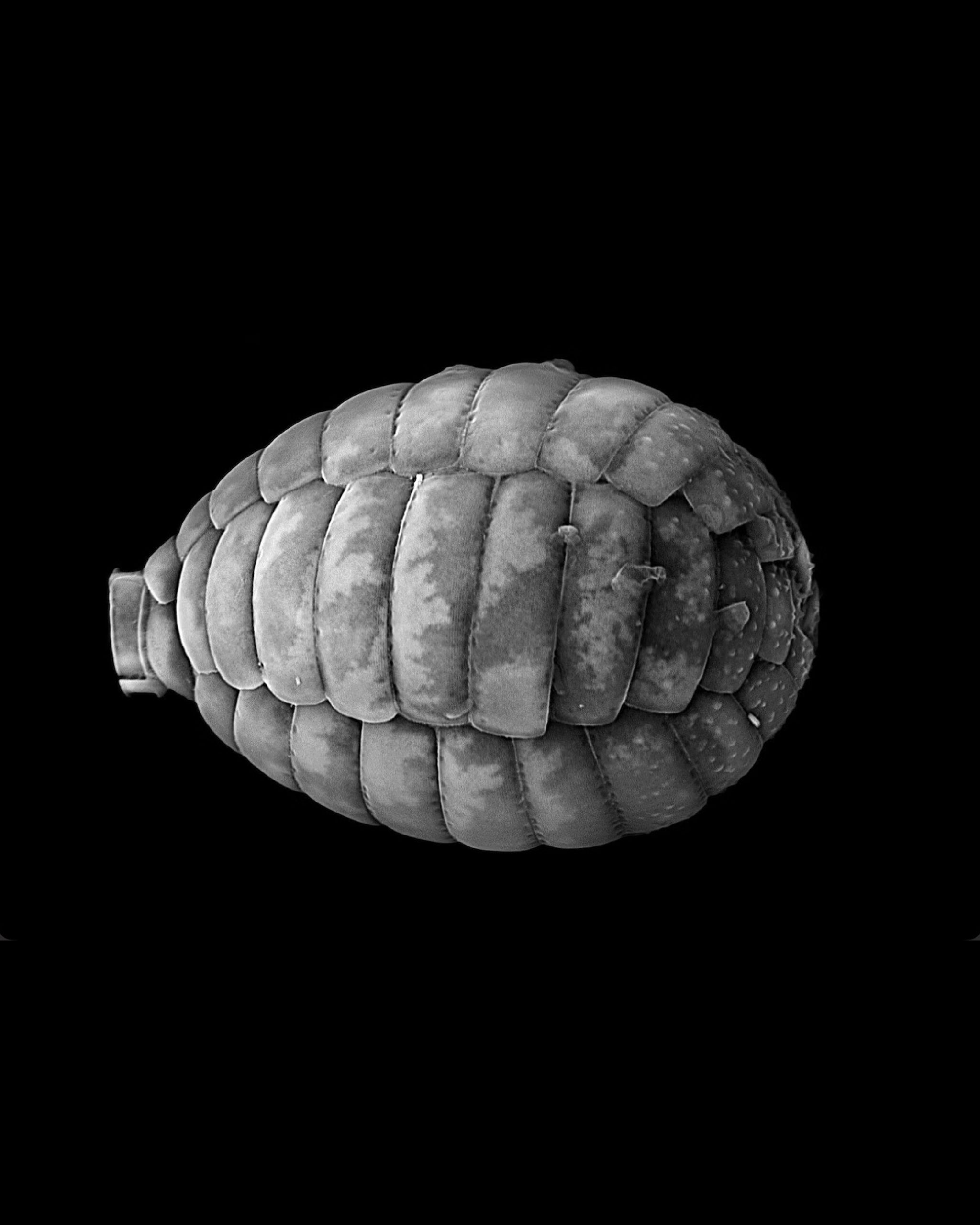
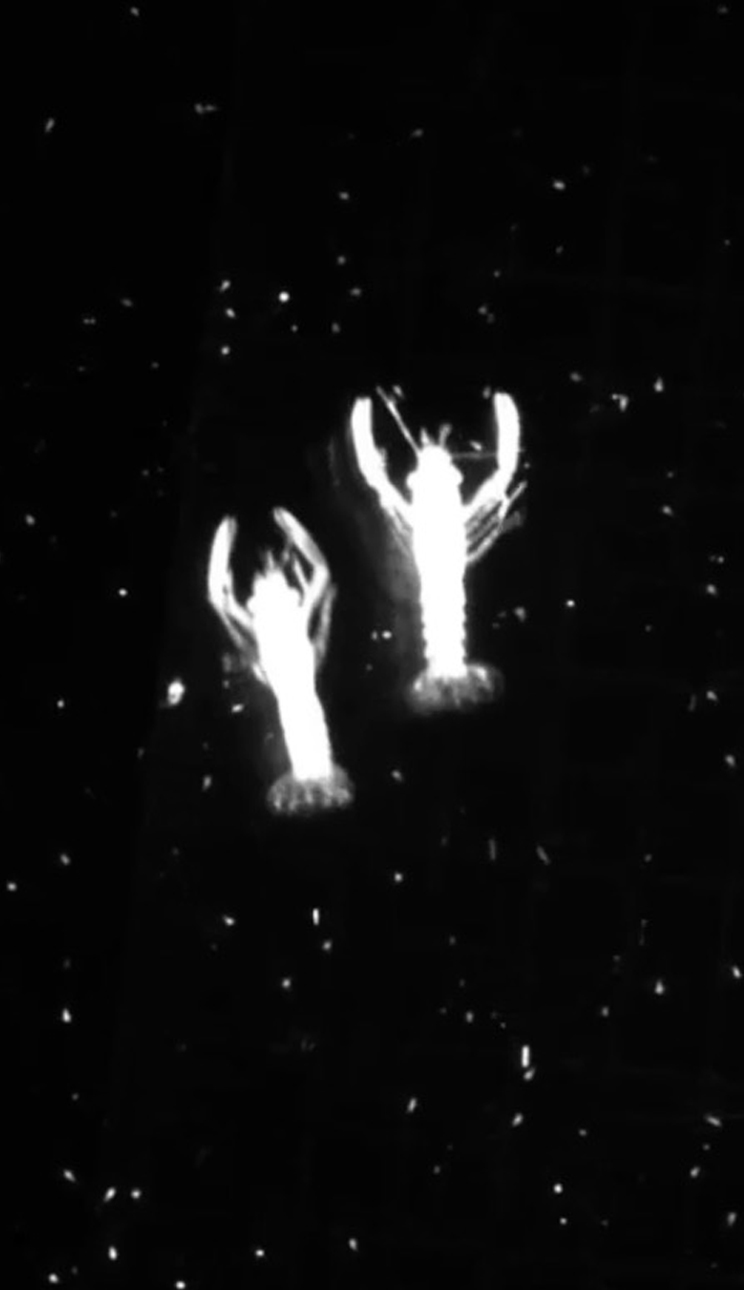
Much of the work leverages the power of environmental DNA. This includes molecular assays that can differentiate between kelp species, field-ready tests to quickly detect bacterial pathogens that may affect shellfish operations, and easy-to-use environmental RNA tools to track the larval mussels that farmers need to seed their crop.
Researchers are also building tools to accurately and inexpensively quantify kelp-derived biomass in sediments below commercial kelp farms. That work, which confirms that farms have little impact on the bottom communities living below them, is the first step toward quantifying deposition of kelp-derived carbon for “blue carbon” accounting efforts.
Photo: Sydney Greenlee