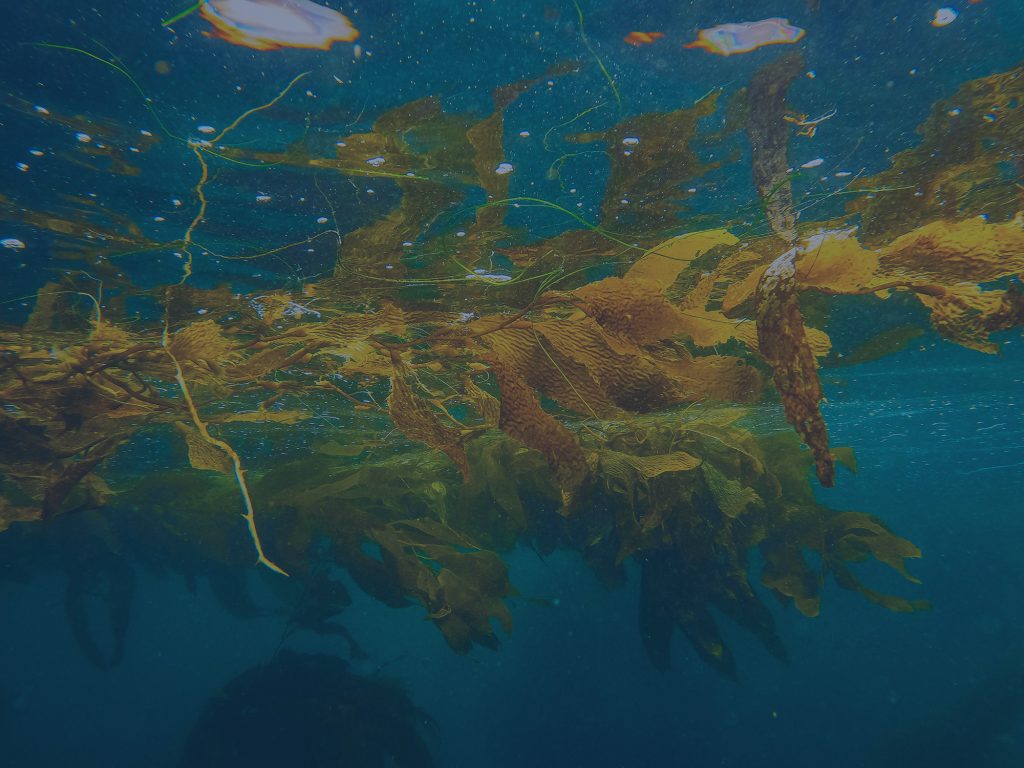


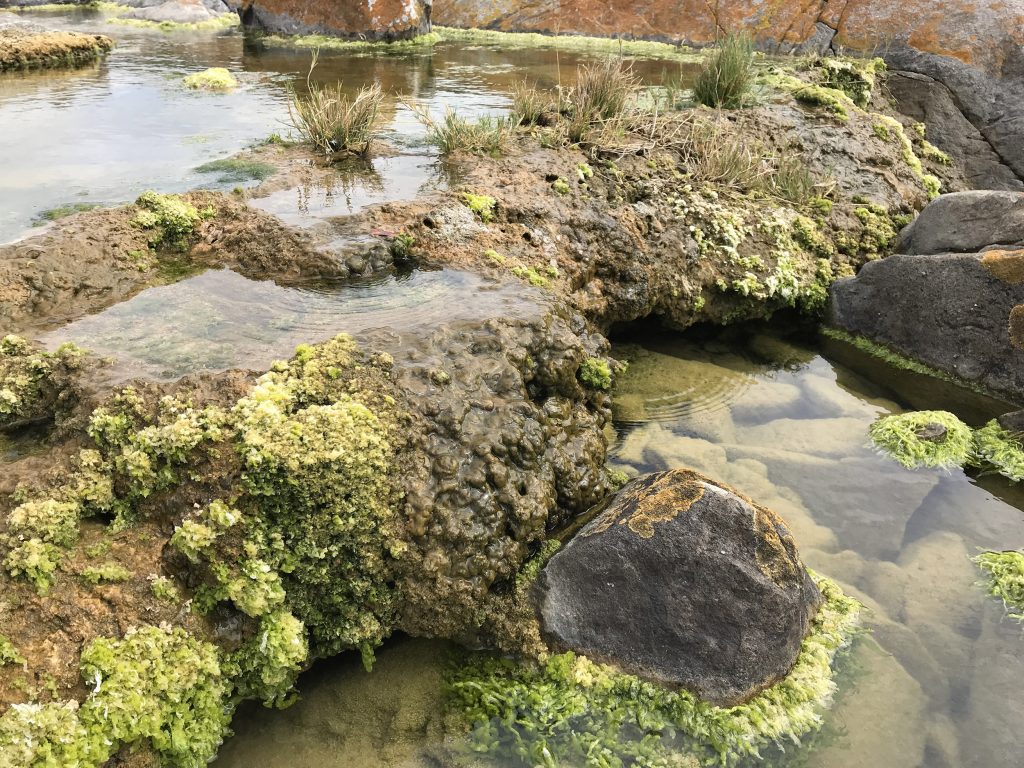
South Africa’s coast is home to some of the oldest evidence of life on Earth: microbialites. These “living rocks” are built by microbes that turn dissolved minerals into stone.
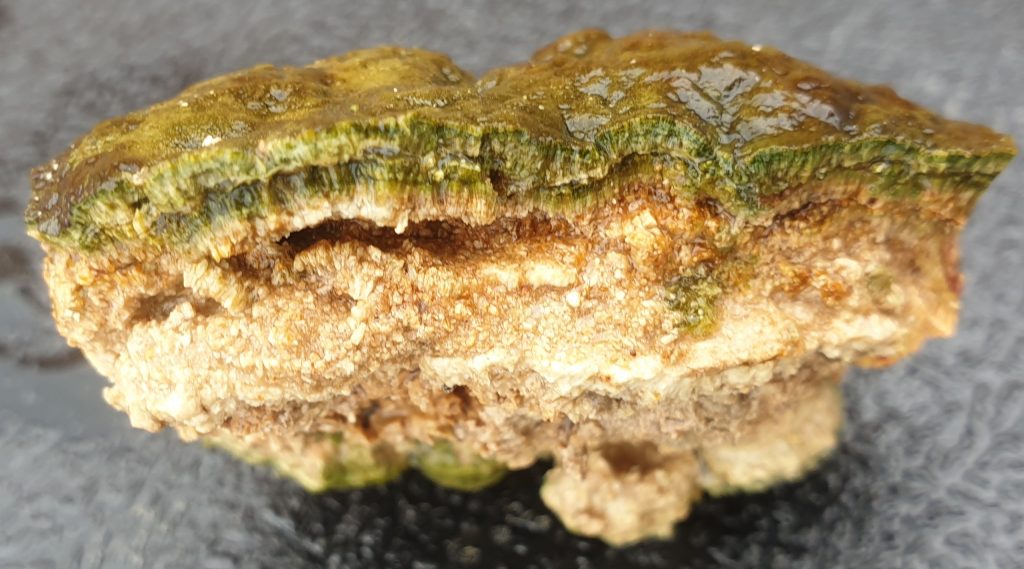
A new study co-led by Bigelow Laboratory and Rhodes University shows these ancient formations aren’t just hanging on — they’re thriving. Published in Nature Communications, the research reveals that coastal microbialites are actively absorbing carbon and rapidly building new layers of calcium carbonate.
By combining field measurements with genetic analyses, the team found these microbial communities take up carbon both day and night, a surprising find for a system assumed to rely purely on photosynthesis.. They rival the carbon uptake of coastal marshes, but lock that carbon into stable mineral rock instead of easily degraded organic matter.
The findings provide a reminder that some of Earth’s oldest life forms still have powerful lessons to teach us about resilience and discovery.