
Toxic species of algae like Pseudo-nitzschia australis can have devastating impacts on coastal industries and communities — a lesson Maine communities learned first hand in 2016 when P. australis unexpectedly bloomed along the East Coast for the first time in 2016.
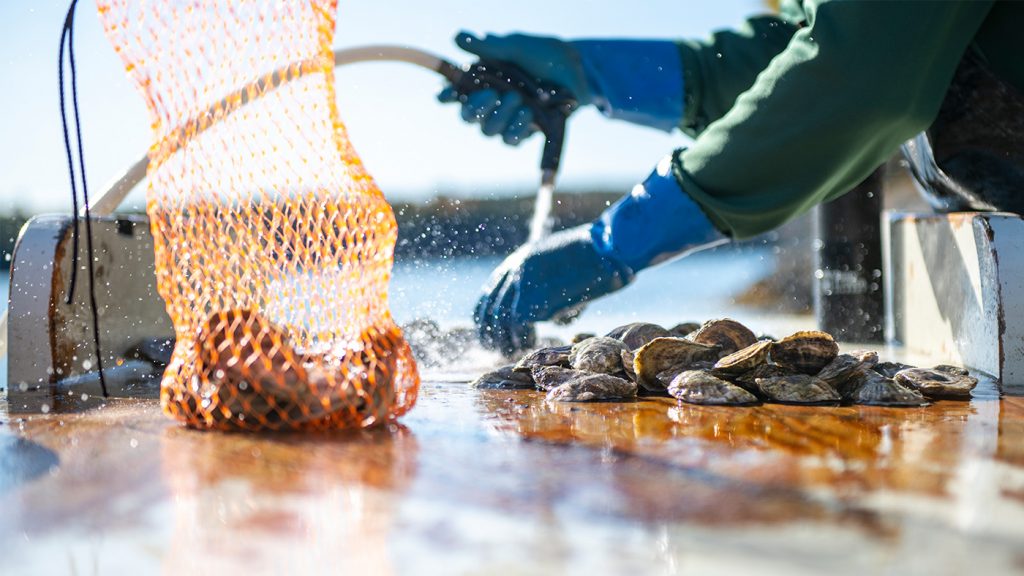
A team of researchers from Bigelow Laboratory for Ocean Sciences and the University of Maine have developed a tool to proactively detect this species at a much lower abundance than possible with traditional techniques. Using recent advances in environmental DNA, the method will give resource managers and shellfish producers a way to test water samples and respond to harmful blooms more quickly, accurately, and conveniently.
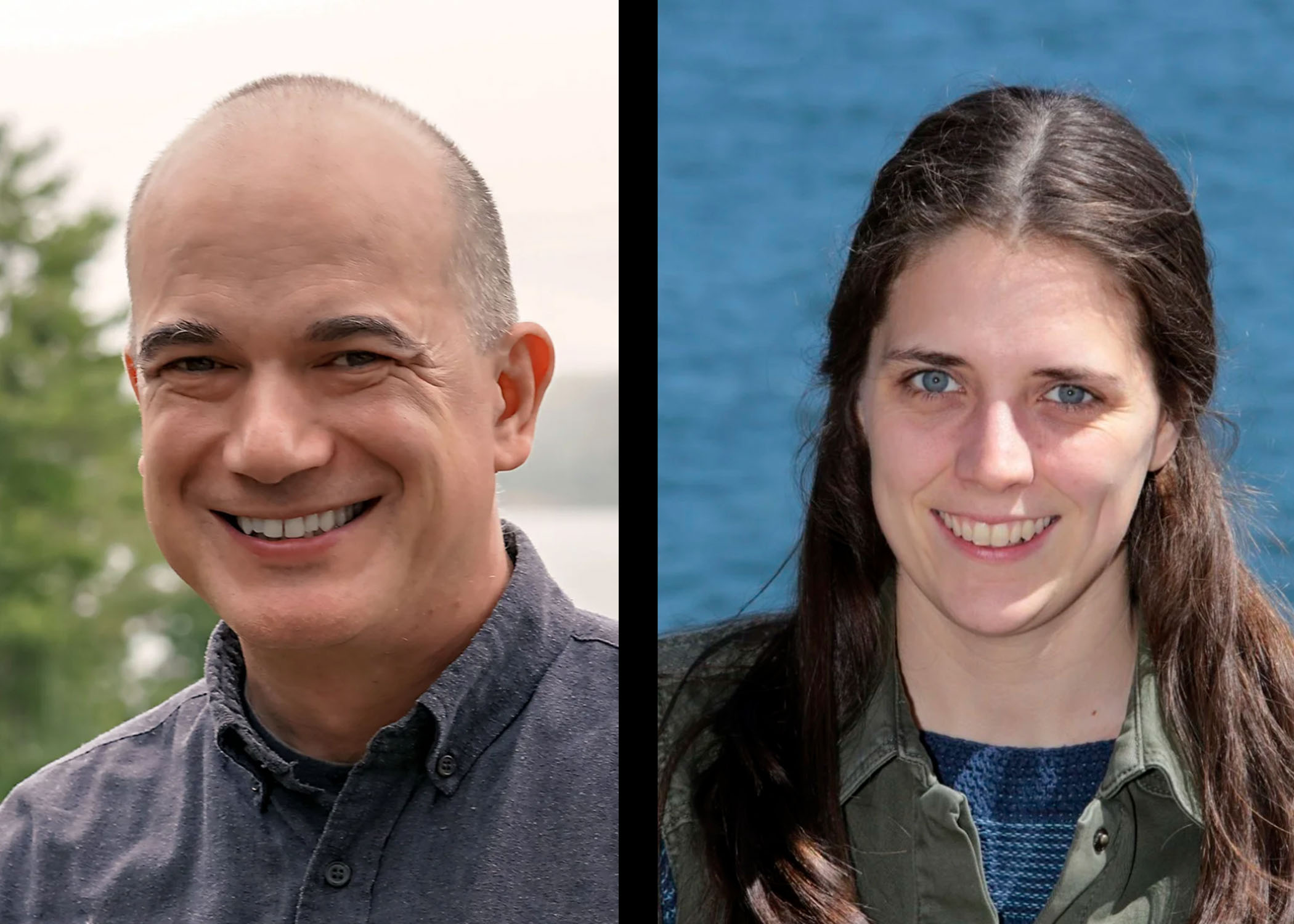
The study, led by UMaine and Bigelow Laboratory PhD student Sydney Greenlee, features Bigelow Laboratory researchers Peter Countway and Robin Sleith, as well as UMaine Darling Marine Center professor Damian Brady.